



What Is a Thermoset? Understanding the Chemistry and Benefits of Cross‑Linked Polymers
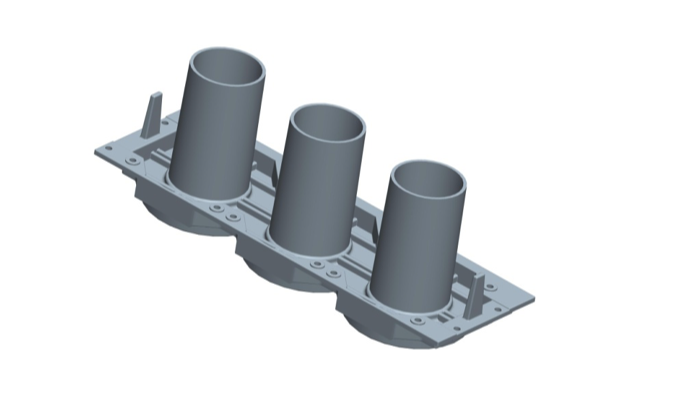
A thermoset is a polymer that becomes insoluble and non‑melting after a chemical cure. Unlike thermoplastics, which can be melted and reshaped, thermosets undergo a cross‑linking reaction that creates a rigid, covalently bonded network. The cure is typically initiated by heat and pressure, but can also be achieved through radiation or room‑temperature initiators.
The key difference lies in how the material behaves during processing. Thermoplastics experience a purely physical change; they soften, can be molded, and return to a solid state upon cooling. Thermosets, however, experience a chemical transformation: the cross‑linker bonds to the polymer backbone, forming a permanent network that cannot be remelted or reshaped once cured.
These chemical bonds give thermosets superior mechanical performance. They generally exhibit higher strength, greater stiffness, and more predictable deformation under load. Thermosets also maintain their properties over a broader temperature range and resist chemical attack, making them ideal for demanding environments such as chemical processing, mining, and wastewater treatment.
Because the base polymers of thermosets are rheologically stable, they accommodate higher loadings of fibers, fillers, and additives. This flexibility allows engineers to tailor formulations for specific performance goals—whether enhanced toughness, electrical insulation, or thermal conductivity—providing a powerful tool for customized solutions.

Composite material
- Materials That Build Reliable O‑Rings: Silicone, Neoprene, Aflas & More
- Photopolymerization in 3D Printing: How UV Curing Shapes Solid Parts
- Understanding the ‘Road’ in FFF 3D Printing
- Materials Used in Boiler Tubes: Choosing the Right Steel, Stainless, Copper and More
- Understanding Material Engineering: The Science Behind Innovative Materials
- Sintered Friction Material: Definition, Benefits, and Industrial Applications
- Plain Concrete Explained: Composition, Strength, and Applications
- Breaking Strength Explained: What It Is and Why It Matters
- Understanding Polyresin: Properties, Uses, and Advantages
- Understanding Material Handling: Key Concepts & Best Practices