



Plain Concrete Explained: Composition, Strength, and Applications

The term plain concrete is used to describe any concrete mass used without any strengthening materials. The physical properties of plain concrete are very similar to stone and include the ability to withstand great pressure. Concrete is a combination construction material made of cement, ash, gravel, limestone, and granite. Some types of concrete include sand, chemical mixtures, and water.
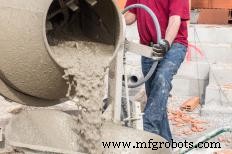
Concrete is a material used to build a wide range of structures, ranging from residential homes to bridges. Concrete itself is a solid material that is transported as a gravel mix. The mix is stored in large bags and is sold at both commercial and retail outlets.
Plain concrete is combined with water and then hardens in place after being poured. This process is known as hydration. The cement reacts with the water, creating a new chemical bond between the different materials in the concrete mix. As the water dries, the cement cured into a stone-like material.
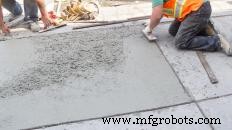
Pure concrete is the most commonly used man-made material in the world. The materials required to make plain concrete are taken from a series of mines located around the world. Special equipment and training is required to take the components that make concrete from the mines.
Transporting these materials is very expensive. As a result, most production facilities that create concrete are located next to the mine itself. The amount of water and staff required to create plain concrete are constant challenges for production facilities. There are significant costs associated with the production of this material.
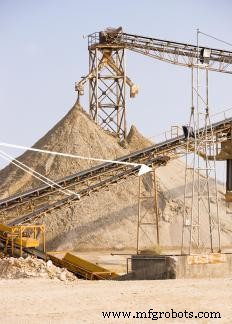
When selecting a supplier for plain concrete, there are three items to compare: quality, price, and delivery terms. There are a small number of firms that produce concrete in the world. Take the time to review the different manufacture firms and their current quality ratings. It is important to think about what type of structure you plan to build with the concrete and review the assurance rating.
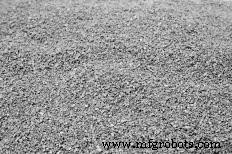
The price of plain concrete is tied to supply and demand, as well as commodity trading. People responsible for purchasing large quantities of concrete develop relationships with traders in the industry. There are cycles in any industry, and knowing the ebbs and flows of the supply cycle is critical to purchasing the commodity at the best possible price.
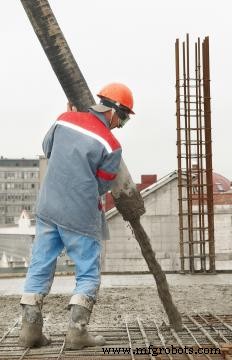
Concrete is a heavy, dense material best stored in dry conditions. Most firms involved in the construction industry do not have large, temperature-controlled storage facilities. Instead, it is standard practice to arrange for just-in-time delivery of the concrete to the site. The price and schedule required to coordinate this delivery are essential parts of the contract.
Industrial equipment
- Photopolymerization in 3D Printing: How UV Curing Shapes Solid Parts
- Understanding the ‘Road’ in FFF 3D Printing
- What Is a Thermoset? Understanding the Chemistry and Benefits of Cross‑Linked Polymers
- Sintered Friction Material: Definition, Benefits, and Industrial Applications
- Understanding Bituminous Concrete: Composition, Uses, and Benefits
- Understanding Concrete Beams: Structure, Strength, and Reinforcement
- Understanding Composite Beams: Strength and Performance Explained
- Concrete Cladding: Durable, Cost-Effective Exterior & Interior Finishing
- Understanding Polyresin: Properties, Uses, and Advantages
- Understanding Material Handling: Key Concepts & Best Practices