



Materials That Build Reliable O‑Rings: Silicone, Neoprene, Aflas & More
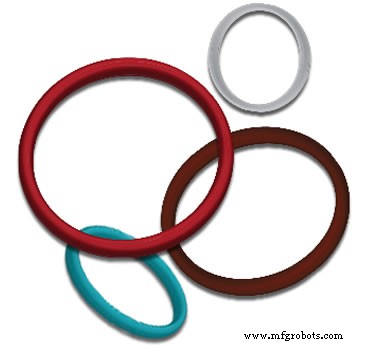
O‑rings, also known as toric joints, are circular elastomeric gaskets that create a reliable seal between two mating surfaces. When two parts are joined, an O‑ring prevents pressurized liquids or gases from escaping.
To perform effectively, an O‑ring must be made from a material that can endure the compressive forces, temperature extremes, and chemical exposure of the application. A material that is too stiff, too soft, or chemically reactive will fail prematurely.
Silicone Rubber
Silicone rubber is the industry’s go‑to material for many O‑ring applications. It can tolerate temperatures from –55 °C to +200 °C, resists moisture, and remains flexible at both low and high extremes. Because it is food‑grade and non‑toxic, food‑service and beverage equipment frequently use silicone O‑rings. The durability of silicone also means fewer replacements and lower maintenance costs.
Neoprene (Polychloroprene)
Neoprene is a synthetic rubber that outperforms natural rubber in terms of durability and heat resistance. O‑rings made from neoprene can withstand temperatures up to 500 °F (260 °C) before burning. Their resistance to oil, abrasion, and weathering makes them ideal for outdoor and industrial sealing where longevity is critical.
Aflas (Tetrafluoroethylene‑Propylene Copolymer)
Aflas is a high‑performance fluoropolymer that delivers exceptional resistance to aggressive oils, fuels, and many chemicals. Unlike most elastomers, Aflas does not degrade when exposed to harsh lubricants, making it the material of choice for high‑pressure oil‑sealing applications.
Polyurethane
Polyurethane O‑rings combine excellent elasticity with robust mechanical strength. They resist moisture and are suitable for many general‑purpose sealing jobs. However, their chemical resistance is lower than that of Aflas, so they are best used in environments with limited exposure to strong solvents.
Other Common Materials
In addition to the materials above, O‑rings are also available in polytetrafluoroethylene (PTFE), Buna, Viton, and other specialized elastomers. The choice depends on the specific temperature, pressure, and chemical requirements of the application.
See Monroe’s O‑Rings
Industrial equipment
- Encapsulated O‑Rings: Design, Materials, and Performance Benefits
- What Are Bi‑Fold Hinges? Features, Benefits, and Applications
- Gasket Materials Explained: Common Types & Their Applications
- What Flexible Magnets Are Made Of – Composition and Construction
- Materials That Make Up Dowel Pins: Wood, Metal, and Plastic Explained
- Carbon Steel in Everyday Products: Uses, Benefits, and Cost Considerations
- The Materials Behind Modern Drones: From Carbon Fiber to Lithium‑Ion Batteries
- What Materials Make Up Industrial Brake Pads?
- Brake Shoes Explained: Their Role in Industrial Safety
- Understanding Polyresin: Properties, Uses, and Advantages