



What Flexible Magnets Are Made Of – Composition and Construction
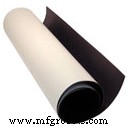
Flexible magnets—often called flex magnets—offer a unique blend of magnetic performance and pliability. Unlike their rigid counterparts, they can be bent, cut, and drilled without compromising their ability to attract ferromagnetic materials such as iron, steel, cobalt, and nickel.
Core Magnetic Material
At the heart of every flexible magnet is a ferromagnetic compound. The term “ferromagnetic” describes materials that can be magnetized and strongly attracted to a magnetic field. While pure iron is the classic example, many modern flexible magnets use iron(III) oxide—commonly known as ferric oxide—as the primary magnetic ingredient. Ferric oxide retains the essential magnetic properties while being more stable and less prone to oxidation than pure iron.
Binding the Magnet Together
To impart flexibility, the ferric oxide particles are mixed with a binder—typically a thermoplastic resin such as polypropylene or polyester. This binder holds the magnetic particles in place while allowing the material to flex. The plastic matrix also protects the magnetic particles from environmental factors and makes the magnet suitable for cutting, drilling, or shaping during manufacturing.
Why Flexibility Matters
Flexible magnets can be formed into sheets, strips, or custom shapes, making them ideal for applications that demand a high degree of customization—such as signage, magnetic strips for retail displays, and dynamic magnetic panels in automotive interiors. Their resilience to bending and manufacturing processes expands design possibilities without sacrificing magnetic strength.
In summary, flexible magnets are composed of a ferromagnetic compound—most often ferric oxide—bound together with a flexible plastic resin. This combination delivers robust magnetic attraction while remaining bendable and adaptable to a wide range of industrial and consumer uses.
Industrial equipment
- What Are Bi‑Fold Hinges? Features, Benefits, and Applications
- How Ceramic (Ferrite) Magnets Are Manufactured
- Gasket Materials Explained: Common Types & Their Applications
- Deck Screws Explained: Types, Benefits, and How They Compare to Wood Screws
- Materials That Make Up Dowel Pins: Wood, Metal, and Plastic Explained
- Materials That Build Reliable O‑Rings: Silicone, Neoprene, Aflas & More
- How Modern Magnets Are Made: From Rare‑Earth Mining to Final Magnetization
- Carbon Steel in Everyday Products: Uses, Benefits, and Cost Considerations
- The Materials Behind Modern Drones: From Carbon Fiber to Lithium‑Ion Batteries
- What Materials Make Up Industrial Brake Pads?