



Offset Lever Arms: Design, Benefits, and Industrial Applications
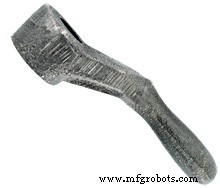
When selecting a lever arm, you might notice that some of them are not straight. This is intentional – these are offset lever arms, engineered with a deliberate bend near the middle. Their unique geometry serves practical purposes across a wide range of sectors, from aerospace and automotive to oil & gas, government, and agriculture.
What Sets Offset Lever Arms Apart?
Unlike traditional straight lever arms, offset lever arms feature a clear, angled section that makes the upper portion perpendicular to the lower part. This “crooked” profile is what gives them their name and creates several operational advantages.
Key Advantages
- Enhanced Ergonomics – The offset design positions the gripping point at a comfortable angle, reducing wrist strain and making each adjustment smoother.
- Robust Construction – Built as a single, solid piece—usually stainless or carbon steel—offset lever arms resist breakage and maintain structural integrity over long use.
- Versatility in Style – Available in both single‑lever and multi‑lever configurations, they can be tailored to the specific needs of a machine or control panel.
- Longevity – The durable materials and simple construction mean they can operate for years without significant wear.
Industries That Rely on Offset Lever Arms
Offset lever arms are common in high‑precision and safety‑critical applications. Engineers in aerospace and automotive design use them to provide reliable manual controls. Oil & gas facilities deploy them for heavy‑load adjustments, while agricultural machinery benefits from their durability and ease of use.
Conclusion
Offset lever arms combine ergonomic design with solid construction to offer a reliable alternative to straight lever arms. Whether you need a single or multi‑lever solution, their durability and user‑friendly geometry make them a smart choice for demanding industrial environments.
Industrial equipment
- What Are Bi‑Fold Hinges? Features, Benefits, and Applications
- Deck Screws Explained: Types, Benefits, and How They Compare to Wood Screws
- What Are Split Washers? A Deep Dive Into Vibrational Locking Fasteners
- Offset Lever Arms: Design, Benefits, and Industrial Applications
- Set Screws Explained: Design, Differences, and Applications
- Spring‑Energized Seals: Design, Function, and Industrial Benefits
- Vulcanized Seals: Definition, Production, and Industrial Advantages
- Pull Handles Explained: Types, Features, and Applications
- Weld‑On Hinges: Installation, Benefits, and Material Choices
- Offset Screwdriver Explained: Purpose, Benefits, and Applications