



Nitrite vs. Silicone Seals: Choosing the Right Material for Your Application
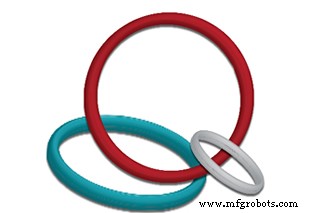
When it comes to O‑rings and gaskets, nitrite (nitrile‑butadiene rubber, NBR) and silicone are the two most frequently used elastomers. At a glance they may appear similar, yet each offers distinct performance attributes that can make the difference between a reliable seal and a costly failure.
What Is Nitrite?
Nitrite, commonly known as NBR, is a copolymer of acrylonitrile and butadiene. Its chemical structure gives it excellent oil resistance, high abrasion tolerance, and a robust temperature range of roughly –40 °C to +120 °C. Industries from automotive to food processing rely on NBR for seals that must survive constant oil contact and mechanical wear.
What Is Silicone?
Silicone is a siloxane‑based elastomer that is odorless, colorless, and highly resistant to a wide spectrum of chemicals. With a temperature tolerance from –55 °C to +230 °C, silicone seals are prized in environments that demand both extreme heat and chemical stability, such as pharmaceutical manufacturing and high‑temperature plumbing.
Benefits of Nitrite Seals
- Oil Resistance – NBR’s molecular makeup prevents oil permeation, maintaining seal integrity in petroleum‑based applications.
- Thermal Stability – Performs reliably in cold and hot conditions, reducing the risk of cracking or warping.
- Abrasion Resistance – Offers superior wear resistance compared to many other elastomers, ideal for moving parts.
Benefits of Silicone Seals
- Extended Temperature Range – Withstands temperatures from –55 °C to +230 °C, far beyond most NBR products.
- Chemical Durability – Resistant to acids, bases, and solvents, making it suitable for corrosive environments.
- Low Moisture Absorption – Maintains dimensional stability even in humid or wet conditions.
Choosing the right seal depends on the specific demands of your application. For oil‑rich, high‑wear environments, nitrite is often the go‑to material. When extreme temperatures or aggressive chemicals are involved, silicone typically outperforms. Always refer to industry standards such as ASTM D1936 for NBR or ISO 7406 for silicone to ensure you meet performance requirements.
Industrial equipment
- LED vs. Incandescent Industrial Lighting: The Definitive Guide to Efficiency and ROI
- Galvanized vs Zinc‑Plated Screws: Choosing the Best Corrosion Protection
- Copper vs. Aluminum Wiring: Which Is the Better Choice?
- Powder Coating vs. Painting: Choosing the Right Finishing Process
- Choosing the Best Industrial Paint Robots for Optimal Quality and Efficiency
- CNC vs Manual Machining: Which Method Delivers Superior Precision and Efficiency
- Choosing the Right Void Fill: A Guide to the Best Packaging Solutions
- Hydraulic vs Pneumatic Actuators: Choosing the Right Power Solution for Your Operations
- Choosing the Right Crane for Your Project: A Complete Guide
- Choosing the Right Hydraulic Pump: A Comprehensive Guide to Types and Performance