



Hard vs. Soft Ferrite Magnets: Key Differences Explained
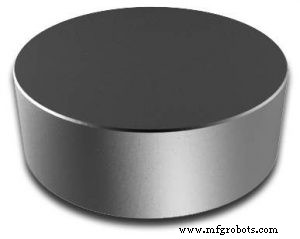
Magnets are commonly classified as soft or hard ferrite. Both types are ceramic materials—hence the name “ferrite.” Ferrites are magnetic compounds composed mainly of iron oxide blended with metals such as zinc, nickel, barium, or manganese. By adjusting the mix, manufacturers create either soft or hard ferrite magnets with distinct magnetic properties.
Soft Ferrite Magnets
Soft ferrite magnets have low coercivity—typically around 200–400 kA/m. Coercivity measures a material’s resistance to demagnetization when exposed to an external magnetic field. Low coercivity means soft magnets can be magnetized and demagnetized quickly, which is ideal for applications that require frequent magnetic cycling.
Because of their rapid response, soft ferrite magnets dominate electrical‑engineering products such as:
- Power transformers and inductors
- Microwave oven cores
- Radio and TV antennas
These magnets are also favored in magnetic shielding and simple permanent‑magnet assemblies.
Hard Ferrite Magnets
Hard ferrite magnets exhibit high coercivity—often 400–700 kA/m. Their strong magnetic hardness makes them resilient to demagnetization, even under intense external fields or high temperatures. This stability is essential for permanent‑magnet devices that must retain their strength over long periods.
Common hard‑ferrite applications include:
- High‑fidelity speakers and sub‑woofers
- Electric‑motor stators and rotors
- Magnetic separation and material handling tools
- Data‑storage heads (in older hard‑disk drives)
Because they are cost‑effective and maintain their magnetism, hard ferrite magnets are a popular choice for mass‑produced consumer electronics.
Choosing the Right Magnet
When selecting a ferrite magnet, consider:
- Coercivity – How much external field the magnet can withstand.
- Operating temperature – Hard ferrite performs better above 250 °C, while soft ferrite is suitable for lower‑temperature circuits.
- Demagnetization risk – For high‑frequency or high‑power applications, hard ferrite offers superior reliability.
In short, soft ferrite magnets are best for low‑cost, high‑frequency applications where magnetic fields change rapidly, whereas hard ferrite magnets are ideal for durable, long‑term permanent‑magnet systems.
Industrial equipment
- Thermoplastic vs. Thermoset: Understanding Key Differences in Polymer Materials
- Wheels vs. Casters: Understanding the Key Differences
- Understanding Magnet 'Reach Out': How Far Their Magnetic Field Extends
- O‑Rings vs. Gaskets: Understanding Their Roles and Key Differences
- Forehand vs Backhand Welding: Key Differences and When to Use Each Technique
- Iron vs. Steel: Key Differences Explained
- Cut vs Wire Nails: Understanding the Key Differences for Construction
- Milling vs. Grinding: Key Differences Explained
- Washers vs. Gaskets: Key Differences Explained
- DC vs. AC Motors: Key Differences and Choosing the Right One for Your Application