



Understanding Magnet 'Reach Out': How Far Their Magnetic Field Extends
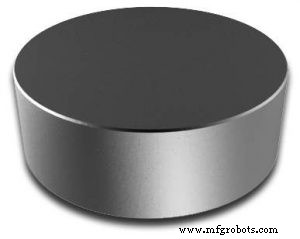
Magnets are indispensable tools in modern industry. In manufacturing, high‑powered magnets pull metal shavings and debris from workpieces, machines and workstations, making cleanup fast and efficient. They also serve as powerful material‑handling devices; depending on the grade, some can lift several hundred pounds.
When you browse magnet catalogs you’ll encounter the term reach out. If you’re new to industrial magnets, you might wonder what it actually refers to.
Overview of “Reach Out”
The phrase reach out describes the maximum distance at which a magnet’s magnetic field can influence ferromagnetic material. Magnetic fields are invisible forces that attract iron, cobalt, magnetite, and other ferrous substances while repelling like poles of other magnets. The field’s intensity decreases with distance.
In practical terms, the closer a magnet is to a piece of ferromagnetic material, the stronger the attraction. Reach out is the metric that tells you how far that attractive influence extends. If the material lies within that distance, it will be pulled toward the magnet; if it sits beyond, the pull is negligible.
Types of Magnets and Their Reach Out
All magnets produce a field, but the range varies by type. Natural magnets, such as lodestone, generally have the shortest reach because their magnetic strength is modest. Ceramic (ceram) magnets offer a longer reach; they are robust, corrosion‑resistant, and still provide substantial attraction.
Neodymium magnets—short for neodymium‑boron—are the most powerful class. Their rare‑earth alloy produces an exceptionally strong field that extends farther than any other commercially available magnet. For example, a 2 × 2 × 1 in. neodymium block can attract a 100‑lb steel plate from a distance of several inches.
In Conclusion
Every magnet has a defined reach out. Natural magnets have the shortest range, ceramic magnets fall in the middle, and neodymium magnets provide the longest reach, making them ideal for applications that require strong, far‑reaching attraction.
Industrial equipment
- Cup Magnets: Design, Function, and Selection Guide
- Hard vs. Soft Ferrite Magnets: Key Differences Explained
- How to Choose the Right Magnet for Your Project: A Practical Guide
- Autoclave vs. Out‑of‑Autoclave Curing: Which Method Delivers Superior Composite Performance?
- DC vs. AC Motors: Key Differences and Choosing the Right One for Your Application
- The Construction Industry Explained: Scope, Roles, and Global Impact
- Understanding the Printing Industry: Key Roles and Services
- The Fabrication Industry Explained: Processes, Materials, and Impact
- Understanding the Security Industry: Products, Services, and Global Impact
- Understanding the Paint & Coatings Industry: Key Players & Products