



Understanding the Fragrance Industry: Scope, Players, and Innovations
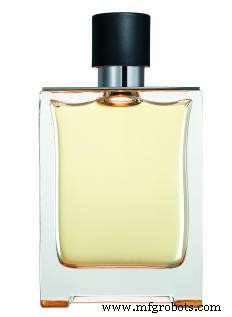
The fragrance industry is a varied field that encompasses a wide scope of companies involved in research, development and the integration of scents into different types of products. While often identified mainly with the perfume industry, the fragrance industry goes far beyond the production of perfumes, colognes, and aftershave lotions that consumers choose to wear as a means of enhancing their personal scents. The industry is involved with the development and creation of a wide range of products that include laundry detergents, cleaning agents and even food products.

One of the most recognizable sectors of the fragrance industry is the perfume business. Companies of this type produce a wide range of scents that are sold to consumers for personal use. Along with perfumes and colognes, many of these companies also produce ancillary products such as bath powders, scented soaps, body washes, and even hair care products that make use of the same scent. Personal care products of this type are common in most nations and are used as part of the hygiene efforts of consumers.
Along with the perfume business, the fragrance industry also encompasses many chemical production companies. Those companies often produce the scents that are in turn used in many other types of products. For example, a chemical company may create a scent that is ideal for use in various types of air freshener products or as an ingredient in some type of laundry detergent. Many cleaning products today also include scents developed in chemical facilities that help to enhance the use of those products by leaving behind a scent that is perceived as both clean and refreshing.
Even food service benefits from the development of products by the fragrance industry. The addition of ingredients that help to enhance the aroma of packaged foods as they are warmed or cooked by consumers is not unusual. As with other ingredients used in food products, those aroma-enhancing elements must meet standards set by national review boards, and cannot pose any type of health threat to consumers. One example of aroma-enhancing ingredients is found in the production of meat substitutes that utilize different types of vegetable matter to create entrees that are similar in texture and scent to their meat and poultry counterparts.
The fragrance industry also encompasses advertising companies that promote products that contain some type of scent-enhancing agent. Advertisers will utilize different marketing methods to promote products sold by every kind of company from a perfume manufacturer to food retailers who sell products containing aroma enhancers. Just about any consumer who comes into contact with advertising related to hygiene products, cleaning agents, or even frozen foods is interacting with the fragrance industry on some level.
Industrial equipment
- Roll Slitting: The Key Process for Cutting Large Material Rolls into Narrow, Efficient Production Units
- Swaging in Manufacturing: How Cold Forging Shapes Components
- The Construction Industry Explained: Scope, Roles, and Global Impact
- Understanding the Printing Industry: Key Roles and Services
- The Fabrication Industry Explained: Processes, Materials, and Impact
- The Fishing Industry Explained: From Catch to Consumer
- Understanding the Security Industry: Products, Services, and Global Impact
- Understanding the Paint & Coatings Industry: Key Players & Products
- The Semiconductor Industry Explained: Design, Production, and Impact
- The Packaging Industry: Definition, Scope, and Economic Impact