



Roll Slitting: The Key Process for Cutting Large Material Rolls into Narrow, Efficient Production Units
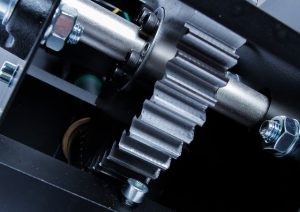
Manufacturing facilities rely on precision cutting techniques to transform raw material into finished products. One such technique is roll slitting – a controlled shearing operation that slices large rolls into narrower, more manageable widths.
Overview of Roll Slitting
Roll slitting employs a specialized machine, the slitter, to trim a master roll – the original, wide roll of material – into smaller dimensions. The slitter’s blades or cutting surfaces engage the roll’s edges, removing excess material while preserving the core integrity of the product.
Log Slitting vs Rewind Slitting: What’s the Difference?
Depending on the workflow, roll slitting is executed in one of two primary modes:
- Log Slitting: The master roll is fed directly through the slitter without unrolling. This method minimizes handling and is suitable for continuous production.
- Rewind Slitting: The web is first unwound, trimmed, and then rewound into a new roll. Although this process generates waste (known as mults or pancakes), it offers greater flexibility for producing multiple widths from a single source.
Benefits of Roll Slitting
- Material Versatility: From plastics and paper to metals and alloys, virtually any flat or semi‑flat material can be processed.
- High Speed: Automation in the slitter reduces manual intervention, shortening cycle times and boosting throughput.
- Precision: Modern slitters provide micron‑level width control, ensuring product consistency across batches.
- Reduced Waste: Log slitting, in particular, limits off‑cuts and preserves more of the original material.
Conclusion
Roll slitting is a fundamental manufacturing step that converts oversized rolls into tailored, narrow rolls suitable for downstream processing. Whether performed as log or rewind slitting, the operation delivers speed, precision, and adaptability, making it indispensable in today’s high‑volume production environments.
Industrial equipment
- Swaging in Manufacturing: How Cold Forging Shapes Components
- What Is the 3D Manufacturing Format (3MF)? An Expert Overview
- The Construction Industry Explained: Scope, Roles, and Global Impact
- Understanding the Printing Industry: Key Roles and Services
- The Fabrication Industry Explained: Processes, Materials, and Impact
- Understanding the Security Industry: Products, Services, and Global Impact
- Understanding the Paint & Coatings Industry: Key Players & Products
- The Semiconductor Industry Explained: Design, Production, and Impact
- The Packaging Industry: Definition, Scope, and Economic Impact
- Punching in Manufacturing: A Comprehensive Guide