



The Construction Industry Explained: Scope, Roles, and Global Impact

Construction is a vast industry that is made up of many types of building and civil engineering jobs. The construction industry includes jobs in carpentry, road construction, bridge development, and home design. This industry is one of the largest in the world because it is responsible for creating the infrastructure for cities, towns, and countries.
There are three major parts to the construction industry. These are general contractors, specialty trade construction, and civil engineering construction. Each area has a specific function within the overall industry.

General contractors build buildings and roads for residential and commercial construction projects. These companies manage multiple sub-constructors on each project. A general contractor is responsible for the organization and oversight of plumbers, painters, and electricians working on building sites.
The construction industry also includes many specialty trade groups. These include brick layers, floor installers, and carpenters, to name a few. Most specialty trade groups work under the direction and guidance of the general contractor.
Civil engineering construction is another area of the industry. This area specializes in building roads, bridges, tunnels, and other infrastructure.

The working conditions of the construction industry are difficult and demanding. These people are required to work outside in harsh environments that include both extreme cold and heat. A construction worker must be physically fit because he works long shifts that require intense physical exertion.
Most people in construction use dangerous tools and equipment. Many are required to work in unfinished buildings at extreme heights. Construction work has caused many injuries, which makes it a risky job. Construction workers are required to wear safety gear, including hard hats, gloves, and eye protection. This helps reduce the risk of injury due to falling material or debris.
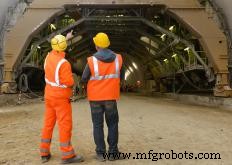
There are many jobs in the construction industry that only require a high school diploma. These include general helpers, laborers, or apprentices. More advanced positions require education and certification, which is designed to ensure the individual is trained in a specific trade. Some examples include electricians, plumbers, and heating and air conditioning experts.

Many construction jobs require licensing, especially for those who work in commercial or home development. Electricians, plumbers, and crane operators are a few examples of positions that require a specific license to work. These licenses are designed to ensure safety standards are followed.
Industrial equipment
- Roll Slitting: The Key Process for Cutting Large Material Rolls into Narrow, Efficient Production Units
- Swaging in Manufacturing: How Cold Forging Shapes Components
- Understanding the Printing Industry: Key Roles and Services
- The Fabrication Industry Explained: Processes, Materials, and Impact
- The Fishing Industry Explained: From Catch to Consumer
- Understanding the Security Industry: Products, Services, and Global Impact
- Understanding the Paint & Coatings Industry: Key Players & Products
- The Semiconductor Industry Explained: Design, Production, and Impact
- The Packaging Industry: Definition, Scope, and Economic Impact
- Understanding the Fragrance Industry: Scope, Players, and Innovations