



Powder Coating vs. Painting: Choosing the Right Finishing Process
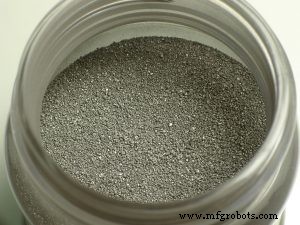
In the manufacturing sector, powder coating and traditional painting are two widely adopted surface‑finishing techniques. Both apply a protective layer to metal or other substrates, yet they differ fundamentally in materials, application methods, and performance outcomes. Understanding these distinctions helps manufacturers choose the most suitable finish for durability, aesthetics, and environmental compliance.
What Is Powder Coating?
Powder coating involves electrostatically spraying fine, dry particles—known as powder—onto a workpiece. Once applied, the powder is cured in an oven, where it melts (thermoplastics) or chemically cross‑links (thermosets) to form a uniform, hard shell. The process eliminates the need for liquid solvents, reducing volatile organic compound (VOC) emissions and making it a greener alternative to liquid paints.
Key advantages include:
- Superior Thickness: A single coat can be up to 1–2 mm thick, providing robust protection against abrasion and corrosion.
- Consistent Color: Powder’s particulate nature yields even coverage with minimal brush marks.
- Environmental Benefits: Zero-VOC formulation and minimal waste.
What Is Painting?
Painting applies a liquid paint—water‑ or solvent‑based—to a surface via brush, roller, or spray. After application, the paint cures either at room temperature or through heat and pressure. The process has been refined over centuries and offers a wide palette of colors and finishes.
Key attributes include:
- Color Flexibility: Virtually unlimited hues, including metallics and specialty effects.
- Ease of Application: Simple tools suffice for small jobs; industrial spray systems can handle large batches.
- Cost‑Effectiveness: Lower upfront equipment costs compared to powder coating.
Powder Coating vs. Painting: A Comparative Look
When evaluating which finish to adopt, consider the following factors:
- Coat Count: Powder typically requires a single pass, while paint may need three or more layers to achieve comparable protection.
- Color Range: Paint offers a broader spectrum, but powder manufacturers now produce a wide array of colors, including near‑transparent shades.
- Environmental Impact: Powder’s zero-VOC profile makes it preferable for green certifications.
- Cost Considerations: Initial tooling for powder coating is higher, but long‑term maintenance and rework costs can be lower due to the durability of the finish.
In summary, powder coating excels when durability, thickness, and environmental compliance are priorities. Painting remains the go‑to choice for projects demanding a vast color palette, rapid turnaround, or lower upfront investment.
Industrial equipment
- Nitrite vs. Silicone Seals: Choosing the Right Material for Your Application
- Copper vs. Aluminum Wiring: Which Is the Better Choice?
- 5 Key Advantages of Powder Coating for Durable, Eco‑Friendly Finishes
- Spray Metal Finishing: Expert Guide to Paint, Powder Coating, and Sandblasting
- Powder Coating vs. Painting Metal: Which Is the Superior Choice?
- Top-Tier Painting, Machining & Finishing Services in Toledo, OH
- Streamlined Powder Coating Lines: Efficient, Durable, High-Quality Finishes
- Choosing the Ideal Filling Equipment for Powder Products: Accuracy, Efficiency, and ROI
- Powder Coating: Which Projects Benefit Most?
- Choosing the Right Finish: Painting vs Powder Coating for Welding & Fabrication