



Copper vs. Aluminum Wiring: Which Is the Better Choice?
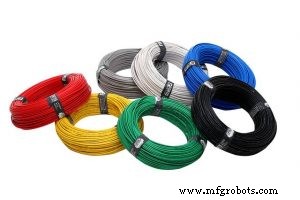
When installing or upgrading electrical systems, choosing the right conductor material is essential for safety, reliability, and cost. Copper and aluminum are the two most widely used metals in residential and commercial wiring, each offering distinct advantages and trade‑offs. Below, we break down their key properties, performance in real‑world applications, and industry guidelines.
Copper Wiring: The Proven Standard
Copper has been the backbone of electrical distribution for more than 70 years. Its popularity stems from:
- Higher tensile strength – Copper’s tensile strength is roughly 40% greater than aluminum’s, reducing the risk of breakage during installation or vibration.
- Lower thermal expansion – Copper expands less than aluminum when heated, minimizing loosening at connections and splice points.
- Superior conductivity – While both metals conduct electricity well, copper’s slightly lower resistance translates to marginally lower voltage drop in long runs.
- Long‑term reliability – Historically, copper wiring has a track record of durability and safety, meeting the strictest National Electrical Code (NEC) requirements without additional connectors or adapters.
Because of these attributes, copper is often the default choice for new construction and major rewiring projects, especially where safety and longevity are paramount.
Aluminum Wiring: Cost‑Effective but More Challenging
Aluminum offers a compelling price advantage—typically about 50% less per foot than copper. This cost benefit can translate into hundreds or even thousands of dollars saved on large commercial installations. However, aluminum’s lower mechanical strength and higher thermal expansion mean it requires special handling:
- Higher expansion rates – Aluminum expands more quickly with heat, which can loosen terminations if not secured properly.
- Greater flexibility – Its ductility makes aluminum easier to bend into tight spaces, a useful trait in retrofit work.
- Connection requirements – Aluminum connections must use anti‑corrosion fittings (e.g., listed “anti‑oxidant” connectors) and a properly torqued clamp to prevent galvanic corrosion and ensure a stable electrical path.
- Industry guidance – The NEC requires that aluminum conductors be installed with approved connectors and, in some cases, a supplemental grounding scheme.
When correctly installed with the appropriate hardware, aluminum wiring can meet safety standards, but the complexity of the installation process and the need for specialized connectors make it less common for new residential wiring.
Which Wiring Is Best for Your Project?
Choosing between copper and aluminum depends on several factors:
- Budget – Aluminum offers significant savings, especially on large‑scale projects.
- Installation conditions – Copper’s lower expansion and higher strength simplify installation in high‑temperature or high‑vibration environments.
- Longevity and maintenance – Copper’s proven durability reduces the likelihood of future repairs.
- Code compliance – Verify that the chosen material and connectors meet local NEC amendments and any manufacturer specifications.
For most new residential builds, copper remains the safest, most reliable choice. Aluminum may be considered when cost constraints are strict and the installer is experienced with the required connectors and grounding practices.
Industrial equipment
- Aluminum Alloy vs. Copper Cables: Which Is the Superior Choice?
- Nitrite vs. Silicone Seals: Choosing the Right Material for Your Application
- LED vs. Incandescent Industrial Lighting: The Definitive Guide to Efficiency and ROI
- Galvanized vs Zinc‑Plated Screws: Choosing the Best Corrosion Protection
- Powder Coating vs. Painting: Choosing the Right Finishing Process
- Mastering Aluminum Welding: Proven Techniques for Strong, Reliable Joints
- Choosing the Right Void Fill: A Guide to the Best Packaging Solutions
- Your Comprehensive Guide to Copper Alloys: Types, Uses, and Benefits
- Titanium vs. Aluminum: Which Metal Delivers Superior Performance for Your Project
- Choosing the Right Hydraulic Pump: A Comprehensive Guide to Types and Performance