



How Ceramic (Ferrite) Magnets Are Manufactured
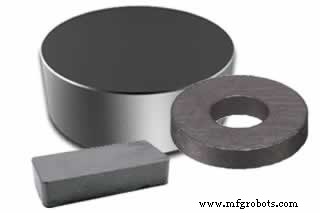
Ceramic, or ferrite, magnets are ubiquitous in modern technology. Their magnetic properties stem from a high concentration of iron‑based ferromagnetic powders, yet they are never simply cast from raw iron. Instead, precise manufacturing techniques shape them into reliable, high‑performance components. Below we outline the two principal production methods and why each is favored in industry.
Injection Molding
Injection molding is the most common route for mass‑producing ceramic magnets. In this process, a finely milled ferromagnetic powder—often mixed with binders and lubricants—is heated to a fluid state and forced into a precision mold cavity by a high‑pressure machine. Once the material cools, the solidified green part is removed, then sintered to achieve the final magnetic density.
Key advantages of injection molding include:
- Capability to fabricate complex geometries with tight tolerances
- Consistent surface finish, ideal for assembly into electronic housings
- High throughput suitable for large‑volume production
Pressing (Wet & Dry)
Pressing offers greater control over the magnetic properties, making it the preferred choice for specialty or high‑grade magnets. The process begins by compacting ferromagnetic powder directly in a mold. Two variants exist:
- Wet pressing: The powder is mixed with a small amount of water or organic solvent, improving particle alignment and densification before sintering.
- Dry pressing: The powder is compressed without added liquid, resulting in a higher initial density and often superior magnetic performance.
After compaction, the green part undergoes sintering—a high‑temperature, pressure‑assisted fusion that eliminates pores and locks the magnetic domains in place. Pressing followed by sintering yields magnets with:
- Higher remanence and coercivity compared to injection‑molded counterparts
- Custom shapes and sizes for niche applications
- Enhanced mechanical robustness and heat resistance
According to a 2022 study in the Journal of Magnetism and Magnetic Materials, pressing can improve remanence by up to 15% compared to injection molding.
Conclusion
Whether through injection molding or pressing, ceramic magnets are engineered to deliver precise magnetic performance. Injection molding excels in speed and consistency for standard parts, while pressing delivers the superior magnetic characteristics demanded by advanced electronic devices.
Industrial equipment
- What Flexible Magnets Are Made Of – Composition and Construction
- How Modern Magnets Are Made: From Rare‑Earth Mining to Final Magnetization
- How Stainless Steel Is Produced: From Smelting to Finished Products
- Creating Closet Doors with CNC Machines: Precision, Customization, and Efficiency
- From Silk to Synthetic: How Nylon Is Made
- How Forged Pipe Fittings Are Made: Standards, Materials, and Manufacturing Techniques
- Inside the Manufacturing of Electronic Circuits
- How Mechanical Pencils Are Manufactured: A Step-by-Step Guide
- The Complete Guide to Manufacturing Investment Casting Parts
- How Microphones Are Made: From Design to Everyday Use