



Encapsulated O‑Rings: Design, Materials, and Performance Benefits
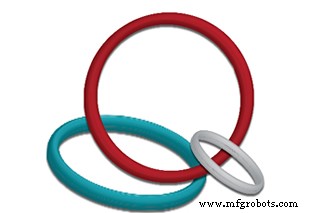
O‑rings are the silent guardians of industrial seals, preventing fluid and gas leaks between mating parts. While many O‑rings are single‑piece components, encapsulated O‑rings add a layer of sophistication with a dual‑component design that delivers superior resilience and reliability.
What Is an Encapsulated O‑Ring?
An encapsulated O‑ring consists of an inner core surrounded by an outer jacket. The core, often made from silicone or a fluoroelastomer, provides “memory,” allowing the ring to return to its original shape after expansion. The jacket, typically a fluoropolymer such as PTFE, encases the core, sealing the assembly and protecting it from heat, pressure, and chemical attack.
Key Structural Features
- Inner Core: Delivers elasticity, recovery, and thermal stability.
- Outer Jacket: Encapsulates the core, ensuring leak‑tight performance and shielding from corrosive environments.
- Dual‑Component Design: Combines the strengths of both materials for a seal that outlasts traditional single‑piece O‑rings.
PTFE Jackets: FEP vs. PFA
Both FEP (fluorinated ethylene propylene) and PFA (perfluoroalkoxy alkane) are PTFE grades used as jacket material. They share excellent chemical resistance and low friction, but differ in operating envelopes:
- FEP: Highly versatile, offers excellent corrosion resistance across a wide chemical spectrum.
- PFA: Superior thermal tolerance, ideal for high‑temperature processes where heat resistance is critical.
Inner Core Materials and Their Benefits
Encapsulated O‑rings may feature a silicone core, known for its toughness, elasticity, and resistance to heat and pressure. More advanced designs employ fluoroelastomer cores, which provide rapid recovery from deformation and enhanced performance under extreme conditions.
Regardless of core material, all encapsulated O‑rings experience expansion when subjected to heat or pressure. However, the choice of core material dictates how quickly the ring regains its shape, directly impacting sealing reliability and service life.
In summary, encapsulated O‑rings combine the best of two materials to deliver robust, leak‑proof seals that excel in demanding industrial environments.
Industrial equipment
- Understanding O‑Ring Face Seals: Design, Function, and Applications
- 5 Key Factors for Selecting the Right O‑Ring Seal
- O‑Ring Essentials: 7 Key Terms Every Engineer Should Know
- Backup O‑Rings: What They Are and Why They’re Essential for Leak Prevention
- Materials That Build Reliable O‑Rings: Silicone, Neoprene, Aflas & More
- O‑Rings vs. Gaskets: Understanding Their Roles and Key Differences
- Diamond Turning: Precision Machining for Advanced Optics and Beyond
- Ultrasonic Machining Explained: Process, Benefits, and Limitations
- Understanding the Oxygen (O2) Sensor: Role, Placement, and Failure Signs
- Decoding 'N' in Pump Calculations: Its Role and Significance