



Gasket Types in Oil & Gas: Materials, Configurations, and Industry Standards
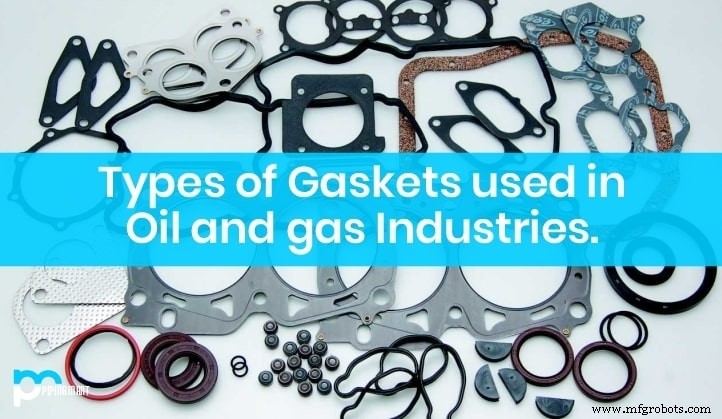
A gasket is a critical sealing element that bridges gaps between joined components, preventing leaks under operational stress. High‑quality gaskets require surfaces that are almost flawless; minor imperfections are accommodated by the gasket material’s ability to flex and conform.
In the oil and gas sector, flange leaks can lead to costly downtime, environmental harm, and safety incidents. A reliable gasket maintains a tight seal, safeguarding personnel, the public, and the ecosystem.
While asbestos was once used in high‑pressure vapor systems, it has been largely replaced by non‑asbestos fabrics due to health risks.
Materials Commonly Used for Gaskets
Non‑Metallic Gaskets
These include CNF (Non‑Asbestos Fiber Composites), PTFE, leather, Teflon, and graphite. They are ideal for low‑pressure and low‑temperature applications. Graphite gaskets can withstand temperatures up to 460 °C, but elastomer or gum gaskets are typically avoided in hydrocarbon pipelines.
Metallic Gaskets
Aluminum is favored for high‑pressure ring‑type joints in oil and gas processing. Steel ring gaskets are available in oval and octagonal shapes; the octagonal “BX” style can seal up to 20,000 psi, meeting API 6A requirements.
Composite Gaskets
Combining metal and non‑metal components, composites such as spiral burn, metal‑jacketed, and Kammprofile gaskets offer a balance of performance and cost. They are suitable for a wide range of pressures and temperatures, though careful handling is essential.
Common Gasket Configurations
Full Face: Covers the entire flange face, including bolt holes, and is used on standard flanges.
IBC (Inner Bolt Circle): Employed on raised‑nose flanges; concentrates force on a smaller area, improving pressure control.
RTJ (Ring Type Joint): A metal ring gasket that provides a robust seal for high‑pressure environments.
Choosing the right gasket is just one part of ensuring a leak‑free joint. Factors such as bolt friction, flange wear, and surface finish also play critical roles. Rough, dented, or damaged flange faces dramatically increase leakage risk. Flange‑facing tools can restore damaged surfaces, ensuring a secure fit for flanges ranging from small to large diameters.
Metal
- The Critical Role of Gaskets in Automotive Engine Performance
- Revolutionizing Oil & Gas: How 3D Printing Drives Efficiency and Sustainability
- Essential Types of Natural Gas Valves for the Oil & Gas Industry
- Heat Exchanger Gaskets: Types, Selection, and Installation Tips
- Comprehensive Guide to Gasket Benefits, Materials, and Applications
- Oil & Gas Embraces Digital Transformation: Strategies, Success Stories, and Future Outlook
- Mastering Soldering: Types, Tools, Safety Tips & Benefits
- Four Essential Dust Collectors for Modern Industrial Air Quality
- Explore the Essential Types of Forging Tools & Equipment for Superior Metalwork
- Essential Woodworking Hand and Portable Tools for Professionals