



Comprehensive Guide to Gasket Benefits, Materials, and Applications
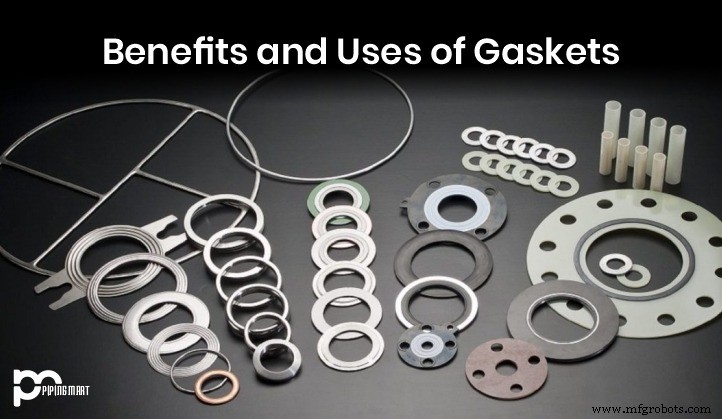
A gasket is a precision‑engineered elastomeric seal that bridges two mating surfaces, preventing the escape of gases or liquids. Manufactured from a diverse palette—rubber, silicone, cork, paper, brass, steel, and foam—gaskets excel in vibration damping, noise suppression, sanitation, and, most critically, sealing. Their adaptability makes them indispensable across food manufacturing, petrochemicals, pharmaceuticals, water treatment, and power generation. Gaskets are selected for durability under harsh environments such as mining, deep‑sea operations, chemical exposure, high temperatures, and extreme pressures.
Materials of Construction
Common gasket materials include steel, rubber, silicone, cork, felt, nitrile, fiberglass, and Teflon. Fiberglass gaskets, prized for their strength, can withstand pressures up to 2000 psi. Steel remains the standard for head gaskets, while elastomeric and ceramic options serve specialized thermal or chemical applications.
Applications of Gaskets
Gaskets are critical in welding, automotive engines, and numerous industrial processes. In automotive engines, a head gasket seals the cylinder head to the block, preventing leaks of fuel, coolant, and combustion gases. In welding, gaskets create a hermetic barrier that stops air or liquid ingress, even under high pressure. They also protect electrical connections, pump housings, and piping systems in vessels, aircraft, and ships. The choice of gasket depends on environmental factors—chemical resistance, temperature range, pressure, and potential electromagnetic interference.
By occupying the micro‑gaps between components, gaskets absorb movement, reduce friction, and maintain structural integrity, ensuring reliable performance in both static and dynamic assemblies.
Metal
- Tungsten Flux: Key Properties & Industrial Applications
- Molybdenum Wire: Types, Properties, and Industrial Applications
- Gaskets Explained: How They Seal Machinery and Keep Fluids in Check
- Flange Gaskets Explained: Function, Types, and Applications
- Understanding Pipe Couplings: Types, Functions, and Applications
- Gasket Types in Oil & Gas: Materials, Configurations, and Industry Standards
- 14 Innovative Nanotech Applications: From Medicine to Materials
- Harnessing Digital Twins in Manufacturing: Benefits, Applications, and Challenges
- CMM Machines Explained: Components, Applications, and Benefits for Precision Manufacturing
- How Robotics Transform Investment Casting: Applications & Advantages