



Difference Between Pipes and Tubes: Key Distinctions Explained
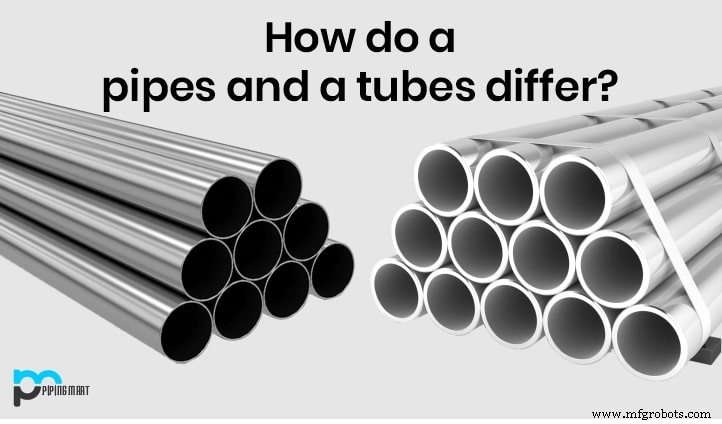
In engineering, the words pipe and tube are often used interchangeably, yet they serve distinct purposes. Understanding the subtle yet critical differences ensures you select the correct component for fluid transport, pressure vessels, or instrumentation.
What Is a Pipe?
Pipes are hollow, circular members designed primarily for the conveyance of liquids, gases, or slurries. They are specified by a Nominal Pipe Size (NPS) or DeNomination (DN), a rough diameter that reflects the pipe’s transport capacity. Key dimensions include:
- Outside Diameter (OD) – the total width.
- Wall Thickness (WT) – defined by the schedule (e.g., Schedule 40, 80).
- Inside Diameter (ID) – calculated as OD – 2×WT.
These measurements determine flow rate, pressure drop, and structural integrity. Pipes are manufactured to strict tolerances to meet standards such as ASTM D1784, ISO 4427, and ANSI B36.10.
What Is a Tube?
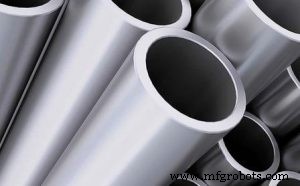
Unlike pipes, tubes are typically used where precise outside diameter is critical, such as in medical devices, hydraulic fittings, or instrumentation. Tubes may have circular, rectangular, square, or oval cross‑sections. They are specified by:
- Outside Diameter (OD) – the exact external measurement.
- Wall Thickness (WT) – often measured to tighter tolerances.
- Inside Diameter (ID) – sometimes specified if required.
Tubes are commonly ordered by OD and WT, with the ID calculated or specified separately. Standards like ASTM D3075 and ISO 2285 govern tube dimensions and tolerances.
Classification & Ordering
Pipes are graded by Nominal Diameter and Schedule Number. The schedule indicates wall thickness, while the nominal size refers to the approximate internal diameter. For example, a 2 inch NPS 40 pipe has an OD of 2.375 inches and a wall thickness of 0.154 inches.
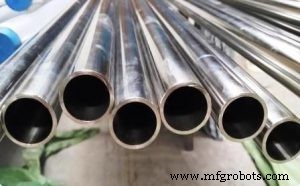
In contrast, tubes are usually specified by their Outside Diameter and Wall Thickness. Orders may also include ID or wall thickness plus ID, depending on the application’s precision requirements.
When ordering, consider:
- Application: fluid transport vs. precision instrumentation.
- Material: carbon steel, stainless steel, PVC, or composite.
- Standards: ensure compliance with ASTM, ISO, or ANSI.
- Tolerances: tubes often demand tighter dimensions.
Choosing the right component not only optimizes performance but also safeguards system integrity and longevity.
Metal
- Carbon Fiber vs Aluminum: Choosing the Right Material for Your Design
- Common Stainless Steel Pipe and Tube Types: An Expert Guide
- Why Aluminum Tubes and Pipes Matter: Strength, Lightness, and Corrosion Resistance
- Understanding Pipe Couplings: Types, Functions, and Applications
- WiFi vs. Bluetooth: Key Differences and Similarities Explained
- Mechanical Brakes Explained: Types and Key Differences
- Pipe Laying: The Essential Process for Installing and Connecting Pipelines
- Understanding Pipe Unions: Definition, Use, and Benefits
- Understanding Waste Pipes: Function, Types, and Maintenance
- Understanding Drainage Pipes: Types, Materials, and Flood Prevention