



Why Aluminum Tubes and Pipes Matter: Strength, Lightness, and Corrosion Resistance
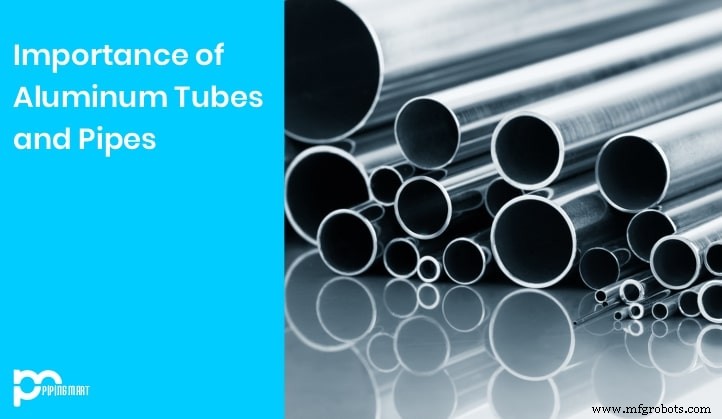
Overview of Pipes and Tubes
In engineering, a pipe is a round conduit designed to transport fluids or gases, characterized by a nominal pipe size that approximates its flow capacity. A tube can be round, rectangular, square, or oval, defined by its outside diameter and wall thickness, and is measured in inches or millimeters. Selecting the right type requires understanding the subtle differences in geometry, material, and intended application.
Both aluminum and stainless steel offer a range of alloys and tempers, each with distinct mechanical and physical properties. While the options may seem daunting, mastering these fundamentals ensures optimal performance and durability.
Why Aluminum?
Aluminum stands out for its low density—about one‑tenth that of steel—and its natural ability to resist corrosion through a self‑forming oxide layer. These traits make it indispensable in aerospace, automotive, and building applications such as façade panels and window frames. Key alloying elements include oxides and sulfates, which enhance corrosion resistance and structural integrity.
Across consumer goods, recreational equipment, machine components, and industrial systems, aluminum tubing is prized for its strength-to-weight ratio. It weighs roughly 10% of equivalent steel, allowing manufacturers to use more tubing per unit of weight. This advantage is critical for mobile or lightweight products—wheelchairs, portable furniture, and modular structures—where reduced mass translates to easier handling and lower energy consumption.
Common aluminum alloys for tubing and piping include 2024, 3003, 5052, 6061, and 7075. These alloys offer excellent heat conductivity, making them ideal for temperature‑controlled environments such as refrigeration, solar collectors, and HVAC systems. The 6061 alloy, in particular, is favored for medium‑to‑high‑strength applications due to its superior weldability and corrosion resistance, and it remains the most cost‑effective option in many industries.
Applications of Aluminum Tubes and Pipes
Aluminum pipes and tubes are integral to both industrial and residential settings. In manufacturing, they serve as structural members, hydraulic lines, fuel conduits, and frame components. In the building sector, they are used for plumbing, HVAC, and architectural features like canopies and custom furnishings. Homeowners benefit from aluminum’s lightweight, corrosion‑resistant profile, which is especially valuable in outdoor furniture and interior décor where a modern aesthetic is desired.
Manufacturers often select between 6061‑T6 and 6063‑T6 alloys; 6063 offers a smoother finish and greater flexibility, making it suitable for decorative applications, while 6061 provides enhanced mechanical strength for load‑bearing structures.
Metal
- Bolts vs. Screws: How to Choose the Right Fastener for Your Project
- Common Stainless Steel Pipe and Tube Types: An Expert Guide
- Stainless Steel Tubes: Key Applications Across Industries
- Materials Used in Boiler Tubes: Choosing the Right Steel, Stainless, Copper and More
- Difference Between Pipes and Tubes: Key Distinctions Explained
- How Aluminum Affects the Human Body: Exposure, Health Impacts, and Safety
- Understanding the Difference Between Tube Steel (TS) and Hollow Structural Steel (HSS)
- Benefits of Aluminum Castings: Speed, Precision, and Value for Modern Manufacturing
- The Aluminum Extrusion Process: From Billet to Finished Profile
- 6061 Aluminum Density Explained: Why It Matters for Design & Manufacturing