



Benefits of Aluminum Castings: Speed, Precision, and Value for Modern Manufacturing
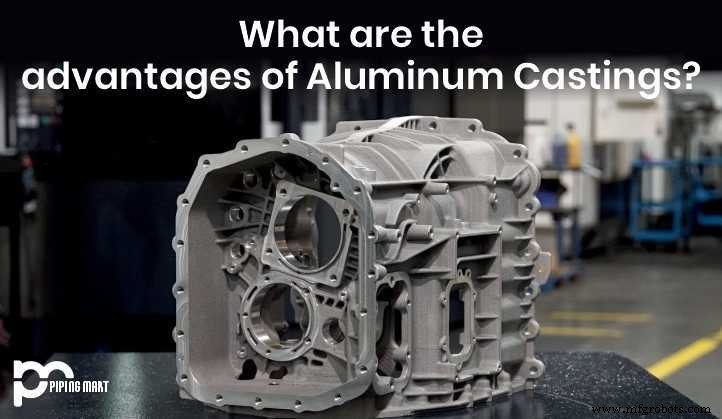
Aluminum casting remains the industry’s most versatile fabrication method. By pouring liquid aluminum into a mold, manufacturers can produce thousands of identical parts with high precision and minimal waste.
Types of Aluminum Casting
Die Casting forces molten aluminum through a steel mold under high pressure, ideal for mass‑producing parts that require tight tolerances and smooth surfaces. This process excels when large volumes are needed.
Permanent‑Mold Casting simply pours the alloy into a reusable steel mold, sometimes assisted by a vacuum. It delivers more robust parts than die casting and is well suited for medium‑volume production.
Sand Casting creates a sand‑filled pattern that is then packed and molten aluminum is poured in. Although slower, it’s cost‑effective for complex geometries or one‑of‑a‑kind prototypes.
Industries that frequently rely on aluminum castings include automotive (gearboxes, cylinder heads), aerospace (wing fittings, structural brackets), marine engines, and consumer appliances such as lawnmowers and handheld tools.
Advantages of Aluminum Castings
1. Intricate Design Capability
Aluminum castings allow designers to create complex shapes that would be impractical with machining or additive manufacturing alone, providing exactness tailored to specific applications.
2. Faster Production Times
Because the process produces near‑net shape parts, the need for secondary machining is greatly reduced, cutting cycle time and accelerating time‑to‑market.
3. Cost‑Effective Manufacturing
Lower material and tooling costs mean aluminum castings deliver high‑quality metal components at a fraction of the price of steel or forged alternatives.
4. Strength‑to‑Weight Advantage
Despite its lightness, aluminum alloy castings exhibit tensile strengths comparable to many steels, while also offering excellent corrosion resistance and heat dissipation.
Metal
- Key Benefits of Foam CNC Routers in Mold Manufacturing
- Navigating the Challenges of Aluminum Welding
- Unlocking Precision: Key Benefits of CNC Machining for Modern Manufacturing
- Top Benefits of Asset Tracking for Business Success
- Why Buying Plate Aluminum Shorts Is a Smart Choice for Cost-Effective Projects
- 12-Inch-Thick Aluminum Plates: Versatile Applications & Key Benefits
- Key Benefits of Lightweight Metals: Boost Performance & Efficiency
- Discover the Benefits of Polystyrene Ceiling Tiles for Modern Interiors
- 5‑Axis Machining: Key Benefits Over 3‑ and 4‑Axis Systems
- Key Benefits of Fiber Laser Cutting Technology