



Bolts vs. Screws: How to Choose the Right Fastener for Your Project
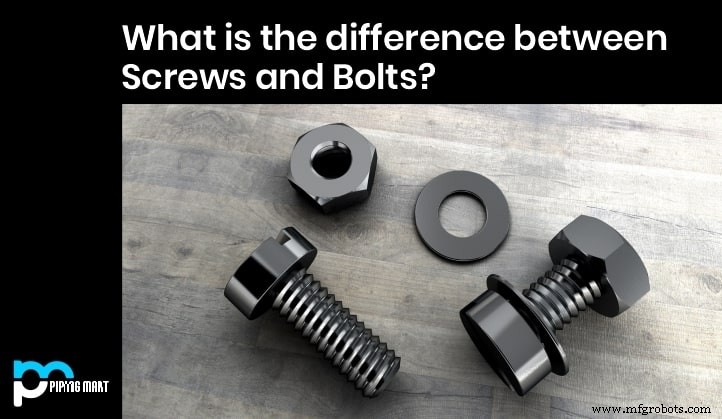
Choosing the correct fastener is essential for any construction or DIY job. While both bolts and screws provide secure connections, they serve distinct purposes and excel in different scenarios. Understanding their strengths and limitations will help you make an informed decision and avoid costly mistakes.
When to Use Screws
Screws are versatile, self‑tapping fasteners that work well in wood, metal, drywall, and even concrete when the correct type is selected. They are ideal for light‑to‑medium loads, such as framing, shelving, or temporary assemblies. Their threaded design allows for a firm grip without the need for a nut, making installation quick and straightforward, especially with a power drill or screwdriver.
When to Use Bolts
Bolts deliver superior holding power, especially for heavy‑load or high‑stress applications. A bolt’s strength is augmented by a nut and often a washer, which spreads the load and prevents loosening over time. Bolts are preferred for structural connections, machinery mounting, and situations where the joint must withstand significant vibration or shear forces. Although they require additional hardware and a wrench or socket for tightening, the resulting bond is more robust and long‑lasting.
Factors to Consider When Choosing
Application
Determine the load and stress the joint will face. For most household projects, screws suffice. For structural beams, heavy machinery, or anywhere the joint must endure repeated stress, bolts are the safer choice.
Installation Speed and Tool Availability
Screws can be driven with a simple screwdriver or drill, which is convenient for quick assembly or temporary fixes. Bolts usually require a wrench or socket, which can be more time‑consuming but is worthwhile for high‑integrity joints.
Cost and Long‑Term Value
While bolts may have a higher upfront cost, they often reduce maintenance and repair expenses by providing a more secure connection. Conversely, screws are cheaper per unit, but if the wrong fastener is chosen, the resulting failure can lead to higher overall costs.
By evaluating the specific needs of your project—load, durability, and budget—you can confidently select either a screw or a bolt for optimal performance.
Metal
- Cloud vs. Virtualization: Key Differences & Business Impact
- Sensors vs. Transducers: Clear Differences & Practical Applications
- FRP vs Fiberglass: Understanding the Key Differences and Industrial Benefits
- Inconel vs. Incoloy: Key Differences, Properties, and Ideal High‑Temperature Applications
- Understanding the Difference Between Tube Steel (TS) and Hollow Structural Steel (HSS)
- Python vs PHP: Key Differences, Strengths, and Choosing the Right Language
- Python 2 vs Python 3: Key Differences and Choosing the Right Version
- CNC vs VMC: Understanding the Key Differences
- CNC vs NC: Understanding the Key Differences in Numerical Control Technology
- Shuttering vs. Formwork: Key Differences Explained