



Understanding the Distinction Between Food Processing and Preservation
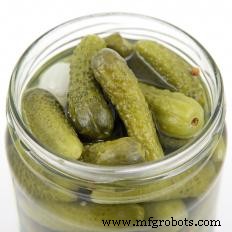
Food processing and preservation are two techniques that are used to maintain the quality and freshness of foods. In terms of how they are performed, food processing and preservation are different; food preservation is just part of the entire procedure of processing foods. Food processing mostly involves both packaging and preservation, while food preservation is concerned with the control and elimination of the agents of food spoilage. Additionally, food processing is performed to turn food into something that is more palatable and convenient to eat. There are various methods of food preservation, which include the addition of chemicals, dehydration, and heat processing.
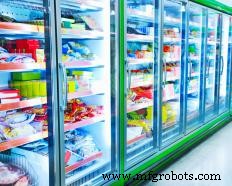
Perishable foods usually need little processing that usually involves thorough cleaning and inspection before they are shipped to and sold in shops. For instance, fruits and vegetables are washed and graded, while cheese is sliced and packed individually. Most foodstuffs, however, undergo processing in plants or factories that run sophisticated machines. Using these machines, low-quality or spoiled foods are automatically detected and rejected. High-quality foods are cleaned, and then may be canned, boxed, bottled, or frozen.
Food processing and preservation are interrelated, as food is preserved to ensure quality before being packed for processing. Bacteria and other agents of food spoilage are usually present in foods and in places where they were grown and harvested. The foods then serve as a source of nutrition for these agents, which multiply fast and cause the spoilage of the foods. When a person accidentally eats spoiled food, he or she may suffer from food poisoning. To stop the growth of food-spoiling agents, traditional food-preserving methods are used that include the addition of growth-limiting chemicals and dehydration, or the removal of water that is needed for growth.
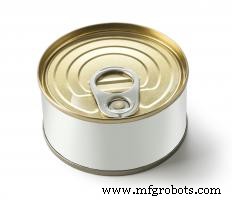
Preservation using heat involves subjecting foods to high temperatures that could eradicate most food-spoiling agents. The main form of food processing and preservation using heat is canning, in which foods are sealed inside cans that are usually made of aluminum. To do this, food is placed and boiled in a can with a loosely fitted lid. Steam that is produced forces air out then the lid is sealed. To completely destroy spoiling agents that may be present in the food, the contents of the can are heated to about 248°F (120°C).
A method of preserving food that is not generally accepted is the use of gamma radiation. Using this method, bacteria in foods are completely destroyed and the decaying of fruits and vegetables is slowed down. Tiny pests are killed with low radiation levels. The radiation method, however, is a debatable process, considering that most people view radiation as being harmful to the body. Some people even claim that radiation affects the quality of foods such as meat and agricultural products.
Industrial equipment
- Mass Production vs. Custom Production: Key Differences Explained
- Python 2 vs Python 3: Key Differences and Choosing the Right Version
- Understanding DC vs AC Motors: Key Differences and Buying Guide
- Metal Fabrication vs. Welding: Key Differences Explained
- CNC vs NC: Understanding the Key Differences in Numerical Control Technology
- Shuttering vs. Formwork: Key Differences Explained
- Concrete vs. Cement: Understanding Their Distinct Roles in Construction
- Asphalt vs. Concrete: Key Differences and Choosing the Right Material
- Electronic vs Electric: Clarifying Their Distinct Meanings
- Hydraulic Pump vs Motor: Key Differences Explained