



Mass Production vs. Custom Production: Key Differences Explained
Production is the engine that turns raw materials into the goods we rely on every day. Whether a product is mass‑made or tailored to a single client, the core purpose remains the same: convert resources into finished items ready for consumption.
While all manufacturing follows this basic transformation, the approach can be broadly split into two categories: mass production and custom production. Understanding the distinctions between these methods helps businesses choose the right strategy for their products and markets.
What Is Mass Production?
Mass production focuses on creating large volumes of a single product using standardized processes. The concept traces its roots to the Industrial Revolution, when factories began assembling thousands of identical items. Modern mass‑production facilities still rely on the same principles—assembly lines, specialized machinery, and often automation—to maximize throughput and minimize unit cost.
Speed is the hallmark of mass production. By separating each step of the process onto dedicated stations, workers and robots can work in parallel, dramatically shortening the time it takes to bring a product from raw material to finished form.
What Is Custom Production?
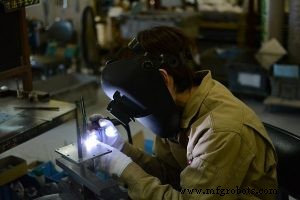
Custom production, in contrast, is designed for smaller runs that meet unique customer specifications. When a standard, off‑the‑shelf item fails to satisfy a client’s requirements, manufacturers shift to a made‑to‑order approach. This process is inherently more hands‑on, with artisans and engineers adjusting designs, selecting materials, and fine‑tuning details in a workshop setting.
Because each product may differ, custom production does not benefit from the economies of scale that assembly lines provide. Instead, the focus is on flexibility, quality, and meeting precise client needs.
Key Differences at a Glance
- Volume: Mass production delivers thousands of units; custom production typically produces dozens or fewer.
- Speed: Mass production is faster thanks to streamlined, repeatable processes; custom production takes longer due to individualized adjustments.
- Flexibility: Mass production offers little room for change once the line is running; custom production thrives on variation and personalization.
- Cost Structure: Mass production spreads fixed costs over many units, driving down per‑unit cost; custom production retains higher unit costs but commands premium pricing for specialization.
Choosing between the two depends on market demand, product complexity, and customer expectations. Many manufacturers adopt a hybrid approach—producing a baseline model in mass quantities while offering optional customizations—to balance efficiency with differentiation.
Industrial equipment
- Cloud vs. Virtualization: Key Differences & Business Impact
- Python 2 vs Python 3: Key Differences and Choosing the Right Version
- Understanding DC vs AC Motors: Key Differences and Buying Guide
- Metal Fabrication vs. Welding: Key Differences Explained
- Shuttering vs. Formwork: Key Differences Explained
- Understanding the Distinction Between Food Processing and Preservation
- Concrete vs. Cement: Understanding Their Distinct Roles in Construction
- Asphalt vs. Concrete: Key Differences and Choosing the Right Material
- Electronic vs Electric: Clarifying Their Distinct Meanings
- Hydraulic Pump vs Motor: Key Differences Explained