



Countersunk vs. Non‑Countersunk Screw Heads: How They Differ and When to Use Each
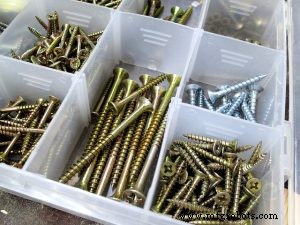
All screws—except the special “grub” variety—feature a head: the part that accepts a screwdriver or drill bit. While heads come in many shapes, they fall into two primary categories: countersunk and non‑countersunk. Understanding the distinction helps you choose the right fastener for a given project.
What Is a Countersunk Screw Head?
A countersunk head is tapered, allowing the screw to sink flush with the material’s surface. The taper gradually narrows toward the shank, enabling the head to embed itself as the screw drives in. This design is common in woodworking, especially for furniture that must feel smooth and safe to touch—think recliners, tables, and cabinets. By letting the head sit flush, countersunk screws prevent protrusion that could catch on clothing or cause injury.
What Is a Non‑Countersunk Screw Head?
In contrast, a non‑countersunk head is a flat or rounded shape that sits atop the workpiece. It has no taper; the wide head meets the surface directly, so the screw stops when the head reaches the material. Because only the shank penetrates, this head style exerts less radial pressure on the wood, reducing the risk of splitting or tearing—an advantage when working with delicate or small pieces.
Choosing Between the Two
Use a countersunk screw when the finish must be seamless and the surface can accommodate the tapered entry—typical in finished furniture and cabinetry. Opt for a non‑countersunk screw when you need a stronger grip without compromising the integrity of the wood, such as in structural framing or when joining thin sections.
Conclusion
In short, countersunk heads taper for a flush finish, while non‑countersunk heads remain upright and protect the material from excess stress. Selecting the correct head type is essential for durability, safety, and aesthetics in any assembly.
Industrial equipment
- Structural Screws: The Heavy‑Duty Fasteners Every Builder Trusts
- Wheels vs. Casters: Understanding the Key Differences
- Understanding Screw Pitch vs Lead: Key Differences Explained
- O‑Rings vs. Gaskets: Understanding Their Roles and Key Differences
- Iron vs. Steel: Key Differences Explained
- What Are Machine Screws? A Comprehensive Guide
- Understanding Countersunk Screws: Design, Applications, and Benefits
- What Is a Hammer‑Head Screw? Function, Features, and Key Applications
- Bolts vs. Screws: How to Choose the Right Fastener for Your Project
- DC vs. AC Motors: Key Differences and Choosing the Right One for Your Application