



What Is a Hammer‑Head Screw? Function, Features, and Key Applications
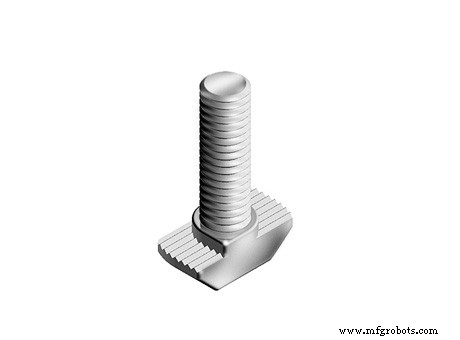
Screws are indispensable fasteners that secure objects together with threaded engagement. Among the many screw designs, the hammer‑head screw stands out for its distinctive rectangular head, which mimics the shape of a traditional hammer.
Overview of Hammer‑Head Screws
Unlike conventional flat‑head or Phillips screws, a hammer‑head screw features a flat, rectangular head that offers a larger contact area. This design improves load distribution and provides a solid mounting surface, making it especially valuable in structural and electrical applications.
How Hammer‑Head Screws Work
The core principle remains the same: the threaded shaft mates with a corresponding internal thread in the material being fastened. The primary difference lies in installation. Because hammer‑head screws lack a recessed drive, they are turned directly by hand or with a screwdriver by gripping the flat face of the head. This can be advantageous when a recessed slot would interfere with the surrounding structure.
Applications for Hammer‑Head Screws
1. Anchor Rails – The rectangular head presses firmly against the sides of an anchor rail, spreading the load evenly and preventing slippage. This is why hammer‑head screws are the go‑to choice for securing rails to masonry or concrete.
2. Electrical Conductivity – Many hammer‑head screws are produced from zinc or zinc‑plated steel. Zinc’s conductive properties allow the screw to serve as an integral part of an electrical circuit, ensuring reliable current flow to components such as grounding straps or busbars.
3. Outdoor and Marine Environments – The robust head design resists impact and corrosion, making hammer‑head screws suitable for harsh conditions where standard screws might fail.
In summary, the hammer‑head screw combines mechanical strength, electrical conductivity, and a unique head geometry to meet demanding fastening needs in construction, electrical, and industrial settings.
Industrial equipment
- Structural Screws: The Heavy‑Duty Fasteners Every Builder Trusts
- Understanding Screw Pitch vs Lead: Key Differences Explained
- What Are Machine Screws? A Comprehensive Guide
- Understanding Countersunk Screws: Design, Applications, and Benefits
- Countersunk vs. Non‑Countersunk Screw Heads: How They Differ and When to Use Each
- Screws: History, Materials, Design, Manufacturing, and Quality Standards
- Cap Screws Explained: Types, Applications, and How to Choose the Right One
- Electric Hammer: How It Works & Why You Need It
- Understanding Screw Jacks: Types, Uses, and How They Lift Vehicles
- Understanding Screw Joints: Definition, Uses, and Advantages