



Understanding Countersunk Screws: Design, Applications, and Benefits
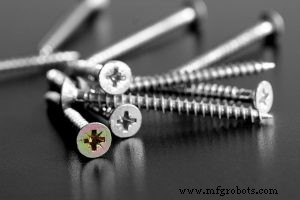
For anyone working with wood, metal, or composites, screws are the backbone of most fastening tasks. Their helical threads cut into material, allowing precise placement and secure holding power. Among the many screw styles, the countersunk variant is prized for its flush finish.
What Is a Countersunk Screw?
A countersunk screw—sometimes called a flat‑head screw—features a tapered head that sits level with the surface once driven in. The head tapers toward the tip, allowing the screw to “sink” into the material. While the threads remain exposed for gripping, the flat top keeps the fastener concealed.
Key Design Features
- Flat, tapered head that sits flush after installation
- Standard screw threads for strong mechanical engagement
- Available in various sizes and materials (steel, stainless steel, brass)
Typical Applications
Because the head is recessed, countersunk screws are ideal for:
- Door and window frames—preventing protruding heads that can damage hinges or snag furniture
- Woodworking joinery—allowing smooth surfaces that can be finished or painted without visible screw heads
- Automotive and aerospace components—where a smooth profile reduces drag and prevents vibration
In each case, the screw’s flush placement eliminates surface imperfections and enhances both safety and aesthetics.
Installation Tips
To achieve a truly flush result:
- Use a pre‑drilled pilot hole that matches the screw’s shank diameter.
- Apply a counterbore if the material is thick enough to accommodate a slightly larger cavity.
- Drive the screw with a calibrated torque driver to avoid stripping the head or over‑tightening.
When to Avoid Countersunk Screws
They are less suitable for:
- Very thick or brittle materials that cannot accommodate a deep head pocket.
- Applications requiring a threaded insert or nut inside the material.
- Situations where a self‑drilling or self‑tap feature is needed—though self‑drilling countersunk screws are available.
Conclusion
In short, countersunk screws offer a clean, professional finish without sacrificing holding power. Their flat, tapered heads allow them to sink into wood, metal, or composite panels, making them a go‑to choice for precision assemblies.
See Monroe's Screws for more options.
Industrial equipment
- Structural Screws: The Heavy‑Duty Fasteners Every Builder Trusts
- Deck Screws Explained: Types, Benefits, and How They Compare to Wood Screws
- Understanding Screw Pitch vs Lead: Key Differences Explained
- What Are Machine Screws? A Comprehensive Guide
- Countersunk vs. Non‑Countersunk Screw Heads: How They Differ and When to Use Each
- What Is a Hammer‑Head Screw? Function, Features, and Key Applications
- Screws: History, Materials, Design, Manufacturing, and Quality Standards
- Cap Screws Explained: Types, Applications, and How to Choose the Right One
- Understanding Screw Jacks: Types, Uses, and How They Lift Vehicles
- Understanding Screw Joints: Definition, Uses, and Advantages