



Laminated Object Manufacturing (LOM): Fast, Cost‑Effective Rapid Prototyping
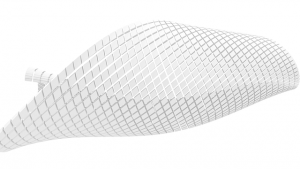
Laminated Object Manufacturing, commonly referred to as LOM, is a cutting‑edge additive manufacturing technique that excels in rapid prototyping for the manufacturing sector. By translating a computer‑generated model into a physical prototype with remarkable speed, LOM helps engineers validate design intent, identify manufacturing constraints, and accelerate product development cycles.
What Is LOM?
LOM was pioneered by Helisys Inc. and is distinguished by its use of stacked, adhesive‑coated laminates—typically paper, plastic, or metal sheets. Unlike conventional additive processes that extrude raw material onto a build platform, LOM layers the pre‑cut laminates one by one. Each layer is bonded by a thin film of adhesive, allowing the printer to build complex geometries layer‑by‑layer with high precision.
The core steps of LOM include:
- Designing a 3D model in CAD software.
- Converting the model into a series of cross‑sectional slices.
- Cutting and bonding laminated sheets for each slice.
- Stacking the bonded layers to form the final object.
Advantages of LOM
LOM offers several compelling benefits for manufacturers:
- Speed – Rapid production of prototypes, often within hours, thanks to the quick layering process.
- Versatility – Capable of producing both solid and hollow structures, making it suitable for a wide range of applications.
- Cost‑Efficiency – Utilizes inexpensive raw materials such as paper or low‑grade plastics, keeping prototype budgets low.
- Material Diversity – Supports paper, polycarbonate, and even metal laminates, allowing customization based on design requirements.
Because of these strengths, LOM is an attractive choice for companies that need to iterate designs rapidly without incurring high tooling or material costs.
Learn more about Monroe’s Additive Printing Service or get your parts printed now!
Industrial equipment
- Continuous Hinges (Piano Hinges): Design, Function, and Applications
- Stereolithography (SLA) 3D Printing: UV‑Cured Resin Builds Fast, Strong Prototypes
- 5 Key Advantages of 3D Printing for Modern Manufacturing
- Titanium Alloys 101: Strength, Grades, and Key Benefits for Engineers
- Additive vs Subtractive Manufacturing: How They Differ & Why 3D Printing Is Growing
- Choosing the Right Plastics for Automotive Manufacturing: A Comprehensive Guide
- Mastering Manufacturing Automation: Strategies, Benefits, and Industry 4.0 Insights
- Understanding G Code and M Code: Essential CNC Programming Fundamentals
- Understanding Technical Drawings in Machining Manufacturing
- IPC PCB Standards: Key to High-Quality, Reliable Printed Circuit Boards