



Press Joining: The Fast, Clean Sheet‑Metal Bonding Technique
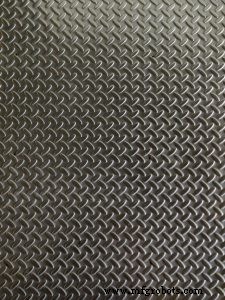
Sheet metal—thin, strong sheets of steel, aluminum, brass, tin, or copper—forms the core of countless consumer and commercial products. When a single component requires multiple metal layers, manufacturers turn to press joining to bond the sheets securely.
Overview of Press Joining
Also known as clinching, press joining is a metalworking process that fuses two or more pieces of sheet metal together using only pressure—no bolts, rivets, or other fasteners are required.
Common applications include:
- Electronic devices
- Electrical connectors
- Auto parts
- Household appliances
- Plumbing parts
How Press Joining Works
The process is typically performed at or near room temperature. A punch‑and‑die set is used: the sheets are placed on the die, and a punch is dropped from above. The punch applies pressure only to a specific area, creating a precise, interlocking joint.
The Benefits of Press Joining
Press joining offers several advantages:
- Speed: Most operations complete in under one second—far faster than welding, which can take minutes or even hours.
- Cleanliness: No adhesives or liquids are needed, reducing contamination and simplifying cleanup.
- Simplicity: The equipment is minimal—a punch and a die—making the process easy to integrate into high‑volume production lines.
In Conclusion
Press joining is a reliable, fast, and clean method for bonding sheet metal. By leveraging pressure through a punch and die, manufacturers can join multiple layers without the need for additional fasteners or adhesives, making it ideal for high‑volume, precision‑oriented production.
Industrial equipment
- What is VMC Machining? An Expert Overview of Vertical Machining Centers
- Joining vs. Forming in Manufacturing: Key Differences Explained
- Strand Casting in Manufacturing: Process, Benefits, and Applications
- What Is the 3D Manufacturing Format (3MF)? An Expert Overview
- Sustainability in Manufacturing – Part 2: Leveraging AI for Scalable Asset Performance
- Smart Manufacturing Explained: Transforming Production with IoT
- Automated Manufacturing: How Computerized Control Transforms Production
- Understanding Press Feeders: Mechanism, Function, and Industrial Applications
- Mechanical Presses Explained: Function, Types, and Industrial Applications
- Microfabrication Explained: Small-Scale Manufacturing for Advanced Technologies