



Continuous Hinges (Piano Hinges): Design, Function, and Applications
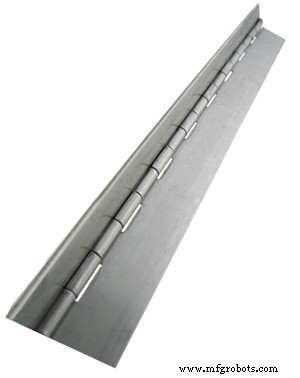
Hinges are the unsung heroes of mechanical design, enabling two components to pivot around a fixed axis. While traditional hinges typically span a modest portion of the joint, continuous hinges—also known as piano hinges—extend the entire length of the surfaces they connect. This design grants them two to four times the strength and stability of their shorter counterparts, making them indispensable in high‑stress applications.
What Is a Continuous Hinge?
A continuous hinge is a mechanical bearing that runs the full length of the joint, seamlessly integrating with the connected surfaces. The name “piano hinge” comes from its common use on piano lids, where the hinge must support the lid’s weight while maintaining smooth motion. By distributing load along the entire seam, continuous hinges reduce localized stress, extending the life of both the hinge and the structure.
How Continuous Hinges Work
Like all hinges, a continuous hinge consists of two leaves joined by a pin. The central section of the hinge—often called the knuckle—houses the pin and allows the leaves to flex. When installed, the hinge remains firmly attached along the entire length of the joint, allowing one side to open or close relative to the other with minimal effort.
Why choose a continuous hinge? Its elongated design provides superior load distribution and durability. Conventional hinges, which cover only a fraction of the joint, can concentrate stress and wear more quickly. In contrast, continuous hinges maintain consistent performance across the entire seam, making them ideal for heavy‑load doors, cabinet panels, and industrial equipment.
Other common hinge types include:
- Bi‑fold
- Butt
- Case
- Concealed
- Flag
- Gate
- Latch
- Overlay
- Panel box
- Strap
- Weld‑on
In Conclusion
Continuous hinges are essentially extended versions of standard hinges, engineered to run the full length of the joint for maximum strength and longevity. Available in materials such as stainless steel, carbon steel, brass, and more, they retain the classic two‑leaf, pin‑based construction while offering enhanced performance. Whether you’re upgrading a piano lid, reinforcing a heavy‑door frame, or designing a custom cabinet, continuous hinges provide a reliable solution that withstands repeated use.
See Monroe's Continuous Hinge.
Industrial equipment
- Verilog Basics: Designing Your First AND Gate
- How Lifting Tables Boost Workplace Ergonomics and Reduce Injury Risk
- What Are Bi‑Fold Hinges? Features, Benefits, and Applications
- Why Aluminum Hinges Are the Smart Choice: 5 Key Advantages
- 5 Key Advantages of Plastic Hinges for Modern Applications
- Stereolithography (SLA) 3D Printing: UV‑Cured Resin Builds Fast, Strong Prototypes
- Titanium Alloys 101: Strength, Grades, and Key Benefits for Engineers
- Drawer Slides Explained: Types, Functionality, and Selection Tips
- What Counterbore Screws Are and Why They’re Essential for Flush Fastenings
- Foundations and Advancements of AC Motor Technology