



Elevator Bolts Explained: Design, Uses, and How to Choose the Right One
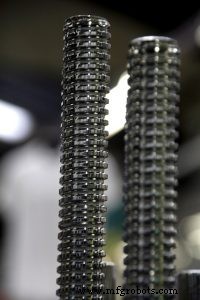
Elevator bolts may seem like another bolt variation, but their unique design serves specific purposes. With a slender, round head and a partially threaded shank, they were originally engineered for elevator systems where a low profile is essential. Today, they’re common in furniture and woodworking where a discreet, secure fastener is required.
Key Features of Elevator Bolts
• Thin, round head – minimizes obstruction in tight spaces.
• Partially threaded shank – offers strong retention while reducing torque needed during installation.
• Originated in elevator machinery – designed to avoid interference with moving parts.
Elevator Bolts vs. Standard Bolts
Unlike typical bolts that have a thick, hexagonal head for maximum torque, elevator bolts’ round heads give them a low‑profile advantage. Standard bolts usually feature a fully threaded shank, whereas elevator bolts are only partially threaded, typically halfway or three‑quarters up the shaft. This partial threading keeps the bolt snug while still allowing easy removal if necessary.
Choosing the Right Elevator Bolt
When selecting an elevator bolt, consider:
- Size – Ensure the diameter and length match the load and hole specifications.
- Material – Stainless steel resists corrosion and is ideal for humid or wet environments; carbon steel offers higher tensile strength for dry settings.
- Environment – Pick a material that can withstand the intended operating conditions.
For a comprehensive selection guide, explore Monroe’s Bolts.
Industrial equipment
- Bolt Snap Fasteners Explained: Types, Functionality, and Applications
- Cotter Pins Explained: How They Secure Bolts and Keep Machinery Stable
- Understanding the Oxygen (O2) Sensor: Role, Placement, and Failure Signs
- Bolts vs. Screws: How to Choose the Right Fastener for Your Project
- Understanding Box Wrenches: Design, Use, and Advantages
- Machine Bolts Explained: Types, Uses, and Installation Guide
- Understanding Latch Bolts: Function, Types, and Security Benefits
- Bolt Sleeves Explained: Protecting Bolts in Hard Surfaces
- Understanding Screw and Bolt Types for Optimal Assembly
- Decoding 'N' in Pump Calculations: Its Role and Significance