



Cotter Pins Explained: How They Secure Bolts and Keep Machinery Stable
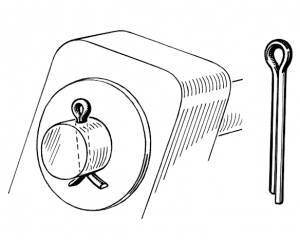
In industrial and automotive settings, bolts can loosen under vibration, load, or temperature changes. One of the most reliable solutions to prevent this is the use of a cotter pin. But what exactly is a cotter pin, and how does it keep a fastener secure?
The Basics of Cotter Pins
A cotter pin—also known as a split pin—is a simple yet effective fastener designed to lock a bolt or rod in place. The component is a narrow, U‑shaped metal piece that features a flared, circular head. The pin’s shape allows it to be inserted through a pre‑drilled hole in the bolt, after which the two prongs are twisted outward to lock the pin—and the bolt—in position.
How Cotter Pins Work
To use a cotter pin, the pin is first threaded through the bolt’s hole. Once seated, the prongs are twisted apart, typically with a pair of pliers or a specialized cotter pin tool. This outward twist creates a wedge that resists both axial and rotational forces, making it extremely difficult for the bolt to back out. The design ensures that the pin remains flush against the bolt head, providing a low‑profile yet robust locking mechanism.
Not all bolts are compatible with cotter pins. Only bolts with a pre‑drilled hole can accommodate the pin. Many manufacturers produce bolts specifically engineered for cotter pin use, which eliminates the need for drilling and guarantees a proper fit. If you must retrofit an existing bolt, drilling a clean, straight hole is essential—any deviation can compromise the pin’s effectiveness.
For optimal security, always twist the cotter pin prongs outward rather than inward. While some users mistakenly twist the ends together, doing so can allow the pin to move laterally and potentially slip out of the bolt, defeating the purpose of the lock.
Industry Applications
Cotter pins are ubiquitous across sectors: from automotive wheel hubs and gearbox assemblies to heavy machinery and construction equipment. Their low cost, simplicity, and proven reliability make them a staple in any maintenance or manufacturing kit.
Conclusion
In summary, a cotter pin is a straightforward yet powerful fastener that secures bolts by preventing them from backing out. By choosing the right bolt—one with a pre‑drilled hole—and following the correct installation technique, you can ensure long‑term stability and safety in your mechanical systems.
Industrial equipment
- Elevator Bolts Explained: Design, Uses, and How to Choose the Right One
- Bolt Snap Fasteners Explained: Types, Functionality, and Applications
- Bent Hitch Pins Explained: How They Work, When to Use Them, and How to Choose the Right One
- Understanding Pin Joints in Mechanical Engineering
- Understanding Box Wrenches: Design, Use, and Advantages
- Machine Bolts Explained: Types, Uses, and Installation Guide
- Understanding Latch Bolts: Function, Types, and Security Benefits
- Bolt Sleeves Explained: Protecting Bolts in Hard Surfaces
- What Is a Gudgeon Pin? The Essential Wrist Pin in Engine Design
- Automatic Water Pumps: How They Operate & Why They Matter