



Turning vs. Milling: Key Differences in Metalworking
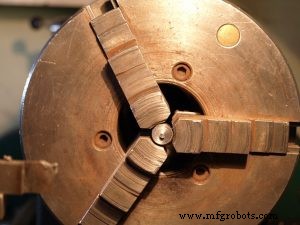
Manufacturing companies employ a range of machining techniques to transform raw or semi‑finished materials into finished parts. Two of the most widely used methods are turning and milling. Both processes use a machine to remove material from a workpiece, reshaping its dimensions and geometry. However, they differ fundamentally in how they achieve this.
What Is Turning?
Turning is a lathe operation in which a rotating workpiece is brought into contact with a stationary cutting tool. As the part spins, the tool removes material from its exterior surface, gradually forming the desired shape.
Boring, also performed on a lathe, shares the same principle but targets the interior of a component. While turning removes material from the outside, boring enlarges pre‑drilled holes by machining the inner walls.
What Is Milling?
Milling uses a milling machine where the cutting tool spins while the workpiece remains stationary. The rotating tool removes material from the part’s surface, similar in concept to turning but with reversed rotation.
Milling is typically divided into face and peripheral operations. Face milling engages the cutting edges near the tool corners, whereas peripheral milling cuts along the tool’s diameter. In both cases, the workpiece stays still while the tool cuts.
In Conclusion
Turning and milling are essential metalworking processes that rely on cutting tools to shape components. Turning spins the workpiece; milling spins the tool. Each method offers distinct advantages that suit different manufacturing requirements.
Industrial equipment
- Wheels vs. Casters: Understanding the Key Differences
- O‑Rings vs. Gaskets: Understanding Their Roles and Key Differences
- Lathe vs Milling Facing: Understanding the Key Differences
- Milling vs. Grinding: Key Differences Explained
- Planing vs. Shaping in Manufacturing: Key Differences Explained
- Vertical vs. Horizontal Milling Machines: A Comprehensive Comparison for Shop Owners
- DC vs. AC Motors: Key Differences and Choosing the Right One for Your Application
- CNC Milling vs. CNC Turning: Key Differences and Choosing the Right Process
- CNC Milling vs. CNC Turning: Key Differences Explained
- Milling vs. Turning: Key Differences Explained