



Lathe vs Milling Facing: Understanding the Key Differences
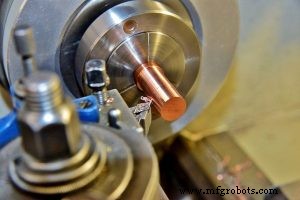
Facing is a machining process that selectively removes material from the end or shoulder of a workpiece to achieve exact dimensions and a smooth finish. Depending on the machine used, facing can be performed on a lathe or a milling machine.
Lathe Facing
Lathe facing, also called turning, uses a lathe’s stationary cutting tool while the workpiece rotates. The tool cuts in a single plane, reducing the part’s diameter and creating a flat, symmetrical surface. Because the lathe can maintain tight tolerances, it is ideal for cylindrical or round components such as shafts, spindles, and bearings.
Milling Facing
Milling facing is carried out on a milling machine, where the cutting tool spins and the workpiece stays stationary. Milling heads typically have multiple flutes, allowing them to remove larger volumes of material in a single pass. This method is favored for flat surfaces on irregularly shaped or flat‑bed parts, such as platework, plates, or large base plates.
Key Differences at a Glance
- Machine orientation: lathe—rotating workpiece, stationary tool; milling—stationary workpiece, rotating tool.
- Tool geometry: lathe uses a single‑blade tool; milling uses multi‑fluted cutters for higher material removal rates.
- Typical parts: lathe facing excels with round parts; milling facing excels with flat or plate‑like components.
- Precision: lathes provide very tight circular tolerances; milling offers high surface finish on flat planes.
Practical Take‑aways
Choosing between lathe and milling facing depends on part geometry, required tolerances, and material type. For high‑precision round workpieces, a lathe is usually the best choice. For larger, flat‑bed parts that need rapid material removal, milling facing offers the advantage of speed and versatility.
Understanding the distinctions between these two facing methods empowers machinists to select the most efficient and accurate process for their application.
Industrial equipment
- Wheels vs. Casters: Understanding the Key Differences
- O‑Rings vs. Gaskets: Understanding Their Roles and Key Differences
- Iron vs. Steel: Key Differences Explained
- Milling vs. Grinding: Key Differences Explained
- Turning vs. Milling: Key Differences in Metalworking
- Washers vs. Gaskets: Key Differences Explained
- Vertical vs. Horizontal Milling Machines: A Comprehensive Comparison for Shop Owners
- DC vs. AC Motors: Key Differences and Choosing the Right One for Your Application
- CNC Milling vs. CNC Turning: Key Differences Explained
- Milling vs. Turning: Key Differences Explained