



What Are Machine Screws? A Comprehensive Guide
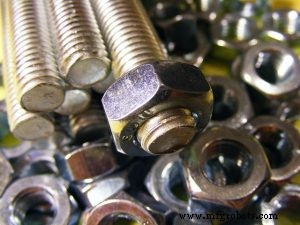
Fasteners come in many shapes, but the screw remains the most recognizable. With its helical thread, a screw can bite into a material and secure two or more components together. While all screws share that basic principle, machine screws have distinctive characteristics that set them apart from other fasteners. This guide explains what makes a machine screw unique, how it’s defined, and why professionals choose it for precision work.
The Basics of Machine Screws
According to the American Society of Mechanical Engineers (ASME), a machine screw is defined by a diameter that does not exceed 0.75 inches. While the threads can be finer or coarser, the key criterion is the size limit; anything larger is typically classified as a structural or lag screw.
Machine screws also feature uniform threading. This means the pitch and diameter of the thread remain consistent from head to tip, allowing for predictable engagement in tapped holes or threaded inserts. In contrast, tapered screws—common in self‑drilling or some lag applications—expand in diameter toward the tip.
Key Advantages
- Precision and Versatility – Their small profile lets them be used in tight spaces and with delicate components, such as in electronics or automotive assemblies.
- Material Options – They’re available in stainless steel for corrosion resistance, aluminum for lightweight applications, and high‑strength alloys for demanding environments.
- Consistent Threading – Uniform threads provide reliable torque transfer and reduce the risk of thread damage.
- Cost‑Effective – The small size and high production efficiency keep machine screws affordable for large‑scale manufacturing.
Common Materials
Stainless Steel – Offers exceptional strength and rust resistance, ideal for outdoor or marine settings.
Aluminum – Lighter and still corrosion‑resistant, suitable when weight savings are critical.
Other alloys, such as chrome‑vanadium or titanium, are used in high‑performance applications where strength or temperature tolerance is paramount.
When to Use Machine Screws
Machine screws are not limited to metal‑to‑metal connections. They’re frequently employed to secure plastic, composite, or wood components that have pre‑tapped holes or threaded inserts. Their precise dimensions make them ideal for electronics, machinery, and automotive parts.
If you need a reliable source of high‑quality machine screws, Monroe Engineering offers a broad selection and expert guidance.
Industrial equipment
- Structural Screws: The Heavy‑Duty Fasteners Every Builder Trusts
- Understanding Countersunk Screws: Design, Applications, and Benefits
- What Is a Hammer‑Head Screw? Function, Features, and Key Applications
- Screws: History, Materials, Design, Manufacturing, and Quality Standards
- Cap Screws Explained: Types, Applications, and How to Choose the Right One
- Understanding Binding Machines: Types, Uses, and How They Keep Documents Secure
- Understanding Screw Jacks: Types, Uses, and How They Lift Vehicles
- Machine Bolts Explained: Types, Uses, and Installation Guide
- Understanding Screw Joints: Definition, Uses, and Advantages
- How Claw Machines Work: The Thrill of the Arcade Prize Hunt