



3D Printing Beds Explained: How They Build, Level, and Release Your Prints
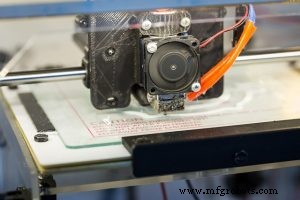
In the world of additive manufacturing, the print bed is the foundation that turns a digital CAD design into a physical object. Whether you’re prototyping, mass‑producing, or creating a proof‑of‑concept, the bed’s surface, levelness, and adhesion properties determine the success of every print.
What Is a 3D Printing Bed?
A 3D printing bed, also known as the build platform, is the flat surface where the printer’s nozzle deposits material layer by layer. Most Fused Filament Fabrication (FFF) machines rely on a heated bed or a stationary build plate that supports the printed object throughout the build process.
Common Bed Materials
- Aluminum or steel – lightweight, good thermal conductivity, often coated for adhesion.
- Polycarbonate or PETG sheets – flexible, easy to remove finished parts.
- Glass – provides a perfectly level surface and smooth finish.
Why Adhesion Matters
Even the most advanced printers will fail if the first layer can’t stick. A non‑sticky surface causes the material to shift, leading to warping or failed prints. Most beds are treated with an adhesive layer—commonly a primer spray, glue stick, or a specialized build surface—to secure the initial layer without compromising removal later.
The Importance of Levelness
A perfectly level bed is critical. If the surface is tilted, the nozzle’s first layers can over‑expose or under‑expose sections, causing dimensional inaccuracies. Modern printers often include automatic bed‑leveling sensors or manual adjustment knobs to ensure uniform distance between the nozzle and the build platform.
Designing for Easy Part Release
After the print cools, the part should detach cleanly. Excessive adhesion can damage the surface or the part itself. Many printers use removable build plates or flexible materials (e.g., PEI sheets) that provide sufficient grip during printing but release easily once the material hardens.
By understanding the role of bed material, adhesion, levelness, and release design, manufacturers can achieve higher first‑time‑success rates and produce cleaner, more precise parts.
Industrial equipment
- Plate Clamps: Design, Function, and Benefits for Heavy‑Duty Lifting
- Lifting Magnets Explained: How They Work & Why They're Essential for Industrial Safety
- Thrust Bearings Explained: Types, Functionality, and Selection Guide
- Cup Magnets: Design, Function, and Selection Guide
- Cam Locks Explained: How They Secure Cabinets Discreetly
- What Are Eye Screws? A Professional Guide to Their Design and Uses
- Three Essential Stages of 3D Printing Explained
- Understanding Grommets: Types, Uses, and How They Protect Your Gear
- Drum Brakes Explained: How They Work and Their Industrial Impact
- Microwave Technology Explained: Generation, Transmission, and Communication