



Choosing the Right Hand Truck: 5 Key Factors to Consider
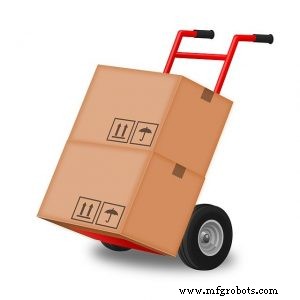
A hand truck—also called a dolly or stack truck—is an essential material‑handling tool that simplifies moving heavy items. Its L‑shaped frame, wheels, and dual handles allow you to load a box onto the lip and roll it safely to another location, reducing strain and the risk of injury.
#1. Load Capacity
When selecting a hand truck, the first criterion is its load capacity. While all models can carry a minimum weight, capacities vary widely. Evaluate the heaviest items you plan to move and choose a truck that comfortably exceeds that weight. A truck with a higher rating also offers greater durability for heavier or bulkier loads.
#2. Height
Height—measured from the lip (nose) to the top of the frame—affects ergonomics. Typical heights range from 50 to 60 inches. A truck that’s too short forces you to bend, increasing the risk of back strain. Conversely, an excessively tall model can make the handles hard to reach. Select a height that keeps your torso upright while you push or pull.
#3. Folding vs. Non‑Folding Lip
Hand trucks come with either a fixed (non‑folding) lip or a foldable lip. Non‑folding lips are the standard choice and provide a stable, rigid platform for heavy items. Folding‑lip trucks, however, can be collapsed for storage or when you need extra clearance in tight spaces—ideal for workshops or on-site logistics.
#4. Stair‑Climbing Capability
If you’ll be moving goods up or down stairs, opt for a stair‑climbing hand truck. These models typically feature four to six wheels instead of the standard two, allowing the wheels to navigate stair treads smoothly. This design minimizes the effort required to lift or lower heavy loads on stairs.
#5. Material: Aluminum vs. Steel
Most hand trucks are constructed from metal, but the choice of material impacts weight, strength, and corrosion resistance. Aluminum trucks are lightweight, cost‑effective, and highly resistant to rust—making them ideal for indoor use and frequent handling. Steel trucks, while heavier, offer superior strength and longevity, especially for heavy or abrasive loads. Consider your environment and load profile when deciding between the two.
Industrial equipment
- 5 Key Factors for Selecting the Right Plastic Hinges
- Choosing the Right Pull Handles: 5 Key Factors to Consider
- Choosing Marine Hinges: 5 Essential Factors for Durable Performance
- 5 Key Factors for Selecting the Right O‑Ring Seal
- 5 Key Factors to Evaluate When Selecting a Lifting Magnet
- Key Factors to Evaluate Before Purchasing a Used Air Compressor
- Top 5 Essentials to Evaluate Before Buying a Used Coffee Roaster
- 5 Essential Factors to Evaluate Before Purchasing Used Manufacturing Equipment
- Top 5 Factors to Evaluate Before Purchasing a CAT Excavator
- Key Factors to Evaluate Before Purchasing a Linde 2PV-TS Hydraulic Pump