



5 Key Factors to Evaluate When Selecting a Lifting Magnet
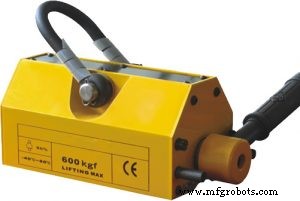
Lifting magnets, often called magnetic lifters, provide a reliable, safe, and efficient solution for moving heavy objects in industrial settings. These devices consist of a controllable magnet that can be switched on and off, creating a magnetic field that holds and lifts ferrous loads. Although all lifting magnets perform the same fundamental function, they differ significantly in design and performance characteristics. Below are five critical criteria to assess when choosing a lifting magnet for your operation.
1. Magnet Type
The core of a lifting magnet is its magnetic core. Most models use permanent magnets, with neodymium‑iron‑boron (NdFeB) being the most common due to its exceptional field strength. These rare‑earth magnets enable a single device to lift heavier loads than other magnet types, making them ideal for demanding applications.
2. Lift Capacity
Lift rating defines the maximum weight a magnet can safely hold. Small units typically support 200–400 lb, while larger models can lift between 6,000 and 13,000 lb. Selecting the appropriate capacity is essential to avoid over‑loading the device and to maintain operational safety.
3. Control Interface
Most lifting magnets feature a simple control mechanism—often a lever or switch—that enables operators to activate or deactivate the magnetic field on demand. Advanced models may include remote or automated controls for increased convenience and safety.
4. Operating Temperature
Operating temperature refers to the ambient range in which the magnet functions effectively. Many industrial magnets are rated for up to 80 °C (176 °F). Choosing a unit with a suitable temperature rating ensures reliable performance in hot or cold environments.
5. Construction Material
Beyond the magnet itself, the housing material plays a crucial role in durability and corrosion resistance. Stainless steel casings are common because they resist rust, withstand impact, and provide long‑term reliability in harsh workspaces.
By carefully evaluating these five factors—magnet type, lift capacity, control interface, operating temperature, and construction material—you can select a lifting magnet that delivers safe, efficient, and reliable performance for your specific needs.
Industrial equipment
- 5 Key Factors for Selecting the Right Plastic Hinges
- Choosing the Right Pull Handles: 5 Key Factors to Consider
- Choosing Marine Hinges: 5 Essential Factors for Durable Performance
- 5 Key Factors for Selecting the Right O‑Ring Seal
- 5 Key Factors to Evaluate Before Buying Wing Knobs
- 5 Key Factors to Evaluate When Selecting a Refrigeration Lock
- Choosing the Right Piano Hinges: 5 Essential Considerations
- 5 Key Factors to Choose the Right Padlock for Your Business
- 5 Key Factors for Selecting the Right Dowel Pins
- Choosing Industrial Shears: 5 Key Factors for Safe, Efficient Sheet Metal Cutting