



5 Key Factors to Evaluate When Selecting a Refrigeration Lock
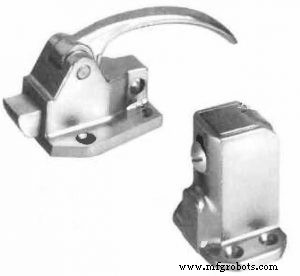
Running a commercial walk‑in cooler or other cold‑storage facility demands reliable security. A refrigeration lock is a specialized, heavy‑duty lock designed to protect these critical assets. Below are five essential criteria to guide your selection and ensure you invest in a lock that delivers durability, flexibility, and peace of mind.
#1 – Material Quality
Lock construction material determines resistance to corrosion, tampering, and the harsh environment of refrigerated spaces. Common choices include:
- 304 Non‑Magnetic Stainless Steel – offers excellent rust resistance and is ideal for high‑humidity settings.
- Carbon Steel – a cost‑effective option, best suited for controlled environments where exposure is minimal.
- Powder‑Coated Steel – provides a durable finish that resists scratches and extends the lock’s service life.
#2 – Fixed vs. Adjustable Roller Strike
The roller strike type influences both fit and functionality. Fixed roller strikes lock into place and cannot be altered after installation, which simplifies the setup but limits flexibility. Adjustable roller strikes allow fine tuning to accommodate door movement or misalignment, offering a higher level of adaptability and ease of use. For environments with variable door conditions, an adjustable strike is typically the superior choice.
#3 – Reversible Design
Reversible locks can be installed on either left‑hand or right‑hand doors, eliminating the need for separate hardware for each orientation. This feature is especially valuable in multi‑door facilities where door configuration may change over time. If your operation requires interchangeable door setups, prioritize a reversible lock to streamline maintenance and reduce inventory.
#4 – Padlock Compatibility
Many commercial settings require an additional layer of security. Locks that include a padlock insertion point allow you to attach a standard padlock, preventing unauthorized access even if the primary lock is compromised. Check for a secure locking eye or drilled hole that accommodates a padlock; this feature can be critical in high‑risk areas or where regulatory compliance mandates secondary locking.
#5 – Installation Method
Installation ease can impact both cost and downtime. Most refrigeration locks attach via standard screws, but the specific screw type (e.g., self‑tap, lag, or machine screws) and required hardware can vary. Verify the lock’s specifications and ensure you have the appropriate fasteners and tools before purchasing. A lock that matches your door’s construction will simplify the installation process and reduce the risk of future maintenance issues.
By carefully evaluating these five criteria—material, roller strike type, reversible design, padlock support, and installation requirements—you’ll choose a refrigeration lock that protects your assets, complies with industry standards, and supports your business operations.
Industrial equipment
- 5 Key Factors for Selecting the Right Plastic Hinges
- Choosing the Right Pull Handles: 5 Key Factors to Consider
- Choosing Marine Hinges: 5 Essential Factors for Durable Performance
- 5 Key Factors for Selecting the Right O‑Ring Seal
- 5 Key Factors to Evaluate When Selecting a Lifting Magnet
- 5 Key Factors to Evaluate Before Buying Wing Knobs
- Choosing the Right Piano Hinges: 5 Essential Considerations
- 5 Key Factors to Choose the Right Padlock for Your Business
- 5 Key Factors for Selecting the Right Dowel Pins
- Choosing Industrial Shears: 5 Key Factors for Safe, Efficient Sheet Metal Cutting