



Prevent Screw Stripping: Expert Tips for Long‑Lasting Fasteners
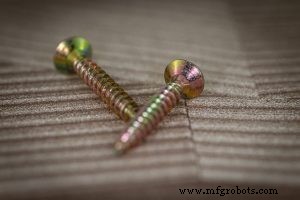
Have you ever tried to remove a screw, only to discover that it’s stripped? You’re not alone. Stripped screws—where the head recess is worn or damaged—are a common frustration for DIYers and professionals alike. When the recess can no longer hold a screwdriver bit, the screw can’t be turned out, even if the bit fits inside.
Choose the Right Type of Screws
Some screw designs are naturally more resistant to stripping. Focus on the head recess geometry: Philips‑type heads offer four‑point contact, which distributes torque more evenly than the single‑point or two‑point contact of slotted or flat heads. Selecting screws with robust recesses can dramatically lower the chance of damage.
Avoid Using an Oversized or Undersized Screwdriver Bit
A screwdriver bit that is too small will slip, nicking the inner walls of the recess. One that is too large may only fit partially, creating uneven pressure and splitting the head. Always match the bit to the screw head for a secure, full‑contact fit.
Align the Screwdriver Perpendicular to the Screw
Maintaining a straight, perpendicular relationship between the screwdriver shaft and the screw axis eliminates shear forces that can tear the recess. Even a slight angle can damage the head and lead to stripping.
Use the Least Amount of Power Necessary
When driving or removing screws with a powered tool, start at the lowest speed setting. Increase speed only as needed, avoiding excessive torque that can prematurely wear the head. A controlled approach preserves the integrity of both screw and tool.
By combining these techniques—selecting robust screw heads, matching the screwdriver size, keeping the tool aligned, and moderating power—you’ll significantly reduce the risk of stripping and extend the life of your fasteners.
Industrial equipment
- Structural Screws: The Heavy‑Duty Fasteners Every Builder Trusts
- Protecting Aluminum Against Corrosion: Expert Strategies for Long‑Lasting Durability
- What Are Machine Screws? A Comprehensive Guide
- JIS vs. Phillips Head Screws: Key Differences Explained
- Understanding Countersunk Screws: Design, Applications, and Benefits
- What Is a Hammer‑Head Screw? Function, Features, and Key Applications
- Choosing the Right Machine Screw: A Practical Guide
- Screws: History, Materials, Design, Manufacturing, and Quality Standards
- Screwdrivers: From Archimedes to Modern Manufacturing
- Prevent Undercarriage Sagging: Proven Maintenance Strategies for Heavy Machinery