



Protecting Aluminum Against Corrosion: Expert Strategies for Long‑Lasting Durability
Protecting Aluminum Against Corrosion: Expert Strategies for Long‑Lasting Durability
- Updated September 14, 2020
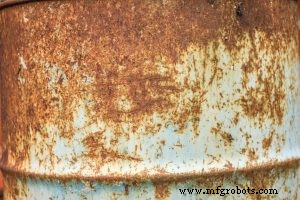
Aluminum accounts for roughly 8% of the Earth’s crust, making it one of the most widely used metals. From automotive parts and aircraft frames to roofing, transformers, and kitchen appliances, aluminum’s lightweight strength, ductility, and natural resistance to rust make it a preferred choice across industries. However, even the best‑protected aluminum can still suffer from corrosion, which can compromise structural integrity over time. Understanding how to safeguard aluminum is essential for maintaining its performance and extending its lifespan.
Does Aluminum Corrode? What Causes Aluminum Oxidation?
Unlike iron‑containing metals, aluminum does not rust because it lacks the iron needed for the iron oxide (rust) reaction. Instead, aluminum forms a thin, transparent oxide layer on its surface almost instantly when exposed to air. This natural passivation layer protects the metal beneath from further oxidation. Nevertheless, aluminum can still corrode under certain environmental conditions—particularly when chloride ions, acids, or high humidity are present. Corrosion is a chemical process that gradually degrades the metal, which can eventually create pits or holes if left unchecked.
Effective Measures to Preserve Aluminum Integrity
Because corrosion develops slowly—often over weeks, months, or years—proactive protection is key. Here are proven strategies to keep aluminum resilient:
- Store in a climate‑controlled environment: Keep aluminum products away from rain, high humidity, and temperature extremes. Controlled conditions reduce moisture exposure and slow the chemical reactions that drive corrosion.
- Apply a clear protective coating: A transparent clear coat seals the surface, preventing direct contact with corrosive agents while preserving the metal’s natural appearance. Many manufacturers pre‑coat aluminum parts to eliminate the need for post‑processing.
- Consider anodizing for high‑traffic or harsh environments: Anodizing thickens the natural oxide layer, enhancing corrosion resistance and providing a durable, non‑porous surface that can be colored if desired.
- Use sacrificial anodes in marine or highly saline settings: Galvanic protection can divert corrosive currents away from the aluminum component.
- Inspect regularly for signs of pitting or staining: Early detection allows for timely maintenance before significant damage occurs.
Conclusion
While aluminum naturally resists rust, it remains vulnerable to corrosion from environmental factors such as moisture, salts, and acids. By storing aluminum in controlled conditions, applying clear coatings, or employing advanced treatments like anodizing, you can preserve its strength and appearance for years to come. Proactive care ensures that aluminum continues to deliver the lightweight performance and durability that make it indispensable across industries.
Industrial equipment
- Aluminum Alloys: Protecting Ship Hulls From Corrosion
- Securing Your IoT Product: A Practical Guide to Preventing Hacker Attacks
- Smart Security: Expert Strategies to Shield Your Home IoT Devices from Hackers
- Protect Your Business: Expert Cybersecurity Strategies for Manufacturers
- Safeguarding Your Intellectual Property: A Comprehensive Guide
- Preventing Metal Corrosion: Proven Strategies for Long-Lasting Durability
- Preventing Aluminum Corrosion: Proven Strategies for Long-Lasting Durability
- Secure Your Heavy Equipment: Proven Strategies to Prevent Theft
- The Anodization Process for Aluminum: Enhancing Durability and Aesthetics
- WeldCast: Mastering Aluminum Welding Techniques