



Why Thermoplastic Materials Power 3D Printing: A Closer Look
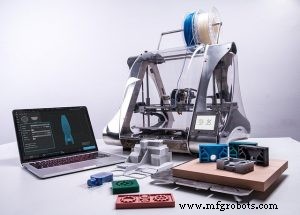
Thermoplastic remains the cornerstone of modern 3D printing. Almost every fused filament fabrication (FFF) printer relies on a spool of thermoplastic filament to build objects layer by layer. During printing, the printer feeds the filament into a heated nozzle, melts it, and extrudes a precise stream that deposits onto the build plate. Once the material cools, it hardens, forming the next layer of the part.
What Is Thermoplastic?
A thermoplastic is a polymer that softens when heated and solidifies upon cooling. In its natural state it is rigid, but when heated above its glass transition temperature it becomes pliable and can be molded. This reversible behavior is what makes it ideal for extrusion‑based manufacturing.
Extrusion‑Ready Design
FFF printers are engineered around the extrusion process. The heated nozzle’s geometry controls the cross‑section of the extruded filament, ensuring consistent layer deposition. The thermoplastic’s flow characteristics allow the printer to build complex geometries with fine detail and strong interlayer bonding.
Vibrant Color Palette
One of the biggest advantages of thermoplastics is their color versatility. From brilliant primary hues to metallic finishes and custom dyes, manufacturers can produce parts in virtually any shade without altering the printing process.
Transparency Options
For applications that require see‑through components—such as lenses, light guides, or aesthetic prototypes—transparent thermoplastics like PETG or clear PLA provide the optical clarity needed while still being easy to print.
No Adhesives Required
Unlike some specialty materials, thermoplastics do not need external bonding agents. Their ability to solidify upon cooling eliminates the need for adhesives, simplifying both the setup and post‑processing steps.
Cost‑Effective Material Choice
Thermoplastic filaments are generally affordable, with prices ranging from under $1 per pound for basic PLA to around $10 per pound for high‑performance composites. This cost advantage, combined with the widespread availability of filaments, makes thermoplastics the most economical choice for hobbyists and professionals alike.
Industrial equipment
- Thermoplastic vs. Thermoset: Understanding Key Differences in Polymer Materials
- Why Use a Welding Blanket: Protect People, Property, and Prevent Fires
- Understanding Material Engineering: The Science Behind Innovative Materials
- Choosing the Right Cutting Tool Materials for Optimal Machining Performance
- Mastering Material Handling Safety: Best Practices for Efficient, Risk‑Free Operations
- The Role of Friction Materials in Vehicle Brakes and Industrial Applications
- Understanding Industrial Materials: Types, Uses, and Benefits
- Industries Leveraging Kevlar: From Aerospace to Personal Protection
- Guidelines for Selecting Polypropylene Applications
- FR4 Material: Essential Choice for Reliable PCB Assembly