



Why Use a Welding Blanket: Protect People, Property, and Prevent Fires
Welding generates high‑temperature sparks and flames that can harm people and nearby objects. A welding blanket offers reliable protection.
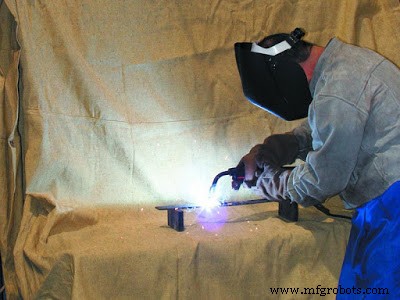
Construction—The blanket is made from high‑thickness, tightly knitted fiberglass that resists heat. It’s designed for both industrial and civil welding applications. Depending on the job size, the blanket can be hung like a curtain to shield the workspace or laid on the floor to keep sparks from reaching adjacent areas.
Heat Capacity
Most blankets maintain structural integrity up to about 1,000 °C. Advanced models can withstand temperatures up to 1,480 °C and are treated with flame, spark, and slag retardants.
Fire Protection
Welding in environments that contain oil or gasoline is hazardous because sparks or molten metal can ignite flammable liquids. Positioning a welding blanket beneath the work area significantly reduces the risk of fire.
Additional Protection
When welding near painted panels or sensitive equipment, covering the surface with a thermal blanket shields it from sparks and slag, preventing damage.
fiber
- Why Thermoplastic Materials Power 3D Printing: A Closer Look
- Why Agricultural Dyes Are Essential: Enhancing Seed Health, Crop Safety, and Fertilizer Accuracy
- How to Properly Use a Fire Blanket: Quick, Safe, and Effective Fire Suppression
- Welding Gases: Why They Matter and the Types You Need to Know
- Cold Metal Transfer (CMT) Welding: The Smart Choice for Light‑Gauge Sheet Metal Fabrication
- The Benefits of Augmented Reality in Industry 4.0
- Embrace Cutting-Edge Tech: Transforming Manufacturing for Competitive Edge
- Using Sacrificial Tooling for Complex and Hollow Parts
- Boost Production Efficiency with a Bar Feeder Lathe
- The Essential Role of Surface Finish Charts in Metal Cutting Quality