



10 Key Applications of Glass Fiber Products Across Industries
Glass fiber, an inorganic, non‑metallic material, offers unrivaled properties—non‑combustible, high temperature resistance, excellent insulation, high tensile strength, and robust chemical stability. These attributes make it indispensable in sectors ranging from aerospace and defense to construction and environmental protection.
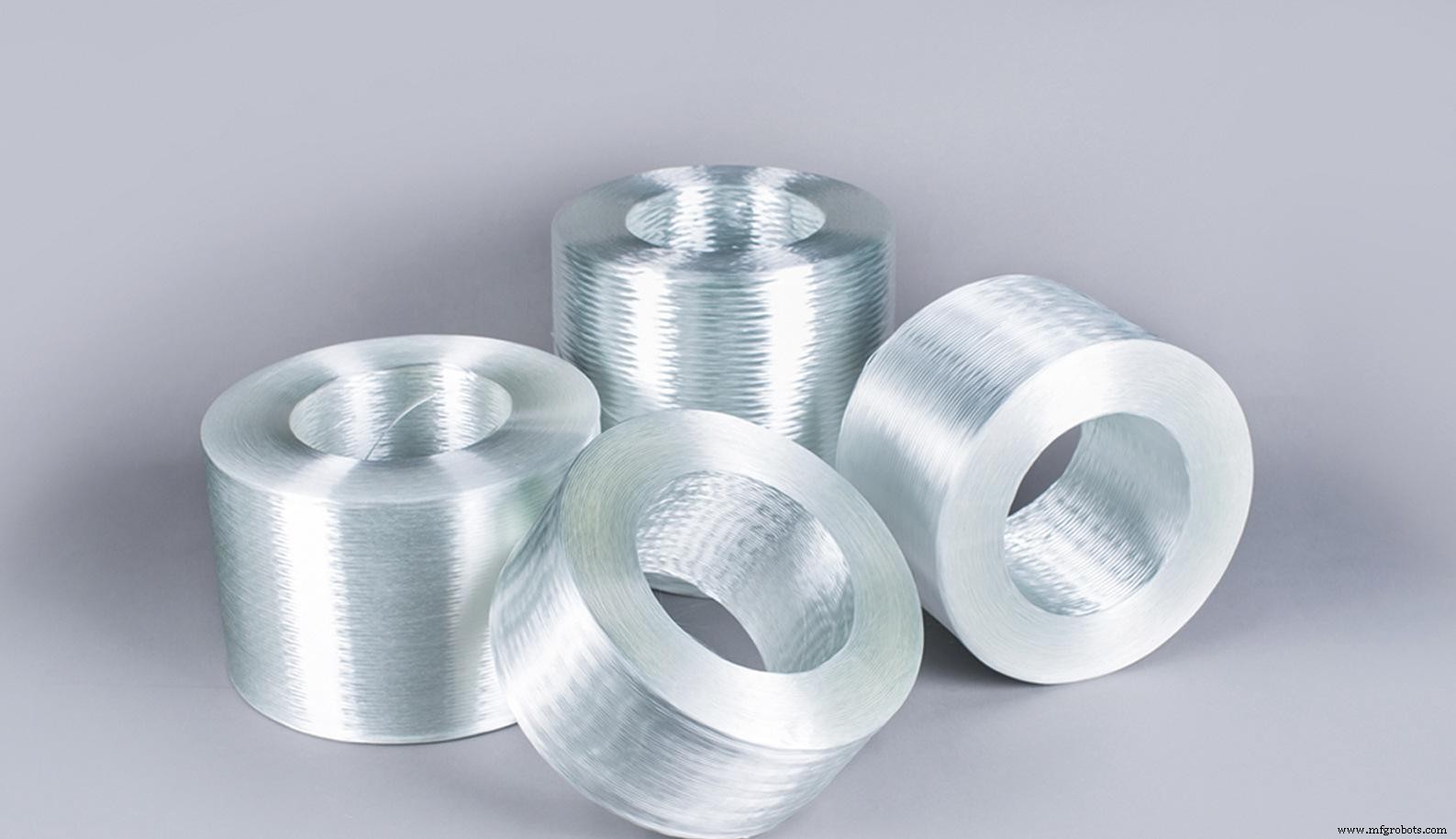
Below is a concise overview of the most prominent glass fiber products and their industrial uses.
- Glass Cloth – Available in non‑alkali and medium‑alkali grades. Non‑alkali cloth is favored for shells, molds, storage tanks, and insulated circuit boards, while medium‑alkali cloth excels in corrosion‑resistant chemical containers and plastic‑coated packaging. Fabric performance hinges on fiber selection, yarn structure, and warp‑and‑weft density.
- Glass Belt – Produced via plain weave, these belts come in side‑locking and burr‑type variations. Their superior dielectric properties make them ideal for high‑strength electrical equipment components.
- Unidirectional Fabric – A satin weave with coarse warp and fine weft yarns, delivering exceptional strength along the warp direction.
- Three‑Dimensional Fabric – Structured to enhance composite integrity and damage tolerance. Variants include woven, knitted, orthogonal, and non‑orthogonal forms, shaped as columns, tubes, blocks, or custom geometries. Applications span sports, medical, transportation, aerospace, and defense.
- Grooved Fabric – Formed by joining two parallel layers with longitudinal strips of rectangular or triangular cross‑section.
- Shaped Fabric – Profiled to match the reinforced component’s geometry, woven on specialized looms for both symmetrical and asymmetrical shapes.
- Combined Fiberglass – A composite of continuous strand mat, chopped strand mat, roving, and fabric. Typical sequences include chopped strand mat + roving fabric, or combinations with continuous strand mat, random roving, or unidirectional carbon fiber.
- Fiberglass Insulation Sleeve – Resin‑coated tubular glass fiber fabric. Types include PVC, acrylic, and silicone resin‑coated tubes.
- Glass Fiber Stitching Weave – Also known as woven or knitted felt, this fabric interlocks warp and weft in a stitched pattern, boosting bending and tensile strength while improving surface smoothness when laminated with FRP.
- Glass Fiber Cloth – The most widely used form, categorized into six types: mesh cloth, woven fabric, plain cloth, axial cloth, electronic cloth, and more. In the FRP industry, it reinforces strength; in construction, it serves as exterior wall insulation, interior decoration, moisture‑proofing, and fire‑resistant material.
Asbestos vs. Fiberglass: Key Differences, Uses, and Safety Considerations
Why Use a Welding Blanket: Protect People, Property, and Prevent Fires
fiber
- 5 Unexpected Carbon Fiber Innovations Reshaping Modern Life
- Classification and Application of Glass Fibers: Types, Properties, and Uses
- Glass Fiber Fabrics: Types, Textures, and Advanced 3D Structures for High‑Performance Applications
- Fiberglass Fabric: Innovations, Applications, and Sustainable Impact
- Key Properties and Applications of Glass Fiber
- Expert Classification of Fiberglass Fabric for Advanced Applications
- Broad Applications of Glass Fiber Fabric in Advanced Composite Materials
- Glass Fiber Performance: Physical, Mechanical & Chemical Properties Explained
- Top 10 Workplace Safety Practices to Reduce Injuries
- E9 Ultra-High-Modulus Glass Fiber Powers Advanced Composite Applications