



Classification and Application of Glass Fibers: Types, Properties, and Uses
Glass fibers come in a variety of forms, each tailored to specific performance requirements. Their classification can be approached from several angles—raw material composition, monofilament diameter, and final appearance. Understanding these distinctions is essential for selecting the right fiber for composite manufacturing, insulation, or construction applications. The glass composition is the primary determinant of a fiber’s mechanical, thermal, and chemical behavior. Alkali metal oxides—mainly sodium and potassium—play a crucial role as fluxing agents, lowering the silica melting point from ~1,700 °C to about 1,000 °C, which reduces energy costs during production. However, higher alkali content can compromise chemical stability, electrical insulation, and tensile strength. Alkali‑free fibers dominate reinforcing applications for insulation materials and fiber‑reinforced plastics (FRP). Medium‑alkali fibers, priced lower than E‑grade, are widely used in China as latex cloth, filter cloth, woven fabric substrates, and FRP reinforcement where electrical properties and high strength are not critical. The cylindrical monofilament’s diameter directly influences performance, processing, and cost. Typical ranges are: Fibers in the 5–10 µm range are often woven into textiles such as glass‑fiber cloth or belts. 10–14 µm fibers typically form roving or non‑woven fabrics. International standards are shifting toward thicker fibers (14–24 µm), with some exceeding 27 µm. Glass fibers are fabricated into various forms to meet end‑use demands: By aligning the fiber’s composition, diameter, and form with the desired application, engineers can optimize composite performance while managing cost and manufacturing complexity.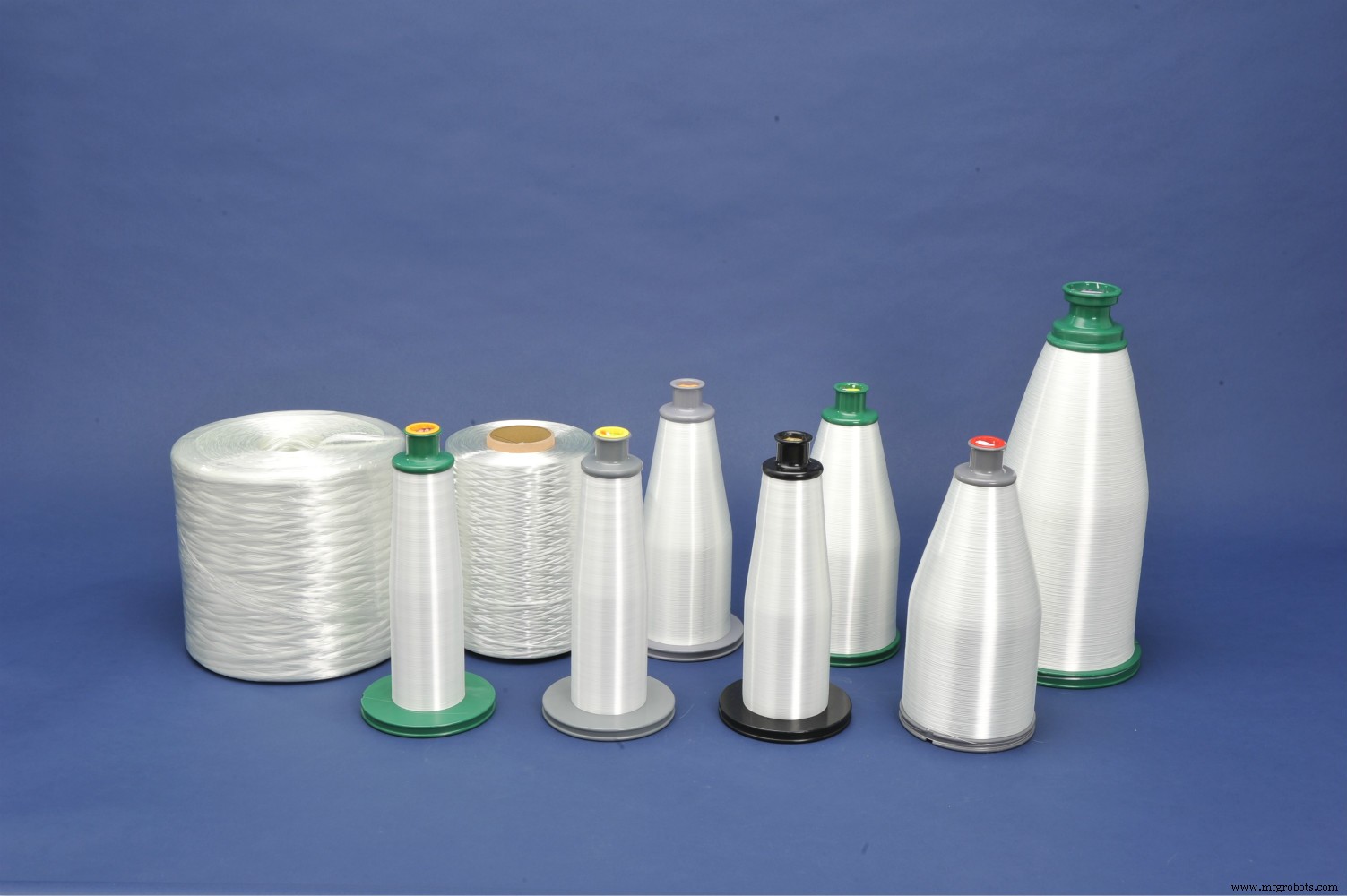
1. Classification by Raw Material Composition
2. Special Glass Fibers on the Market
3. Classification by Monofilament Diameter
4. Classification by Appearance
fiber
- Asbestos vs. Glass Fiber: Health Risks and Safety Differences
- Fiberglass Fabric: Innovations, Applications, and Sustainable Impact
- Key Properties and Applications of Glass Fiber
- Expert Classification of Fiberglass Fabric for Advanced Applications
- Broad Applications of Glass Fiber Fabric in Advanced Composite Materials
- Glass Fiber Performance: Physical, Mechanical & Chemical Properties Explained
- 10 Key Applications of Glass Fiber Products Across Industries
- Carbon Fiber vs. Fiberglass: A Technical Comparison for Engineers
- Comprehensive Review of Luminescent Silica Nanoparticles: Classification, Synthesis, and Practical Applications
- Kaneka Aerospace Launches Advanced Carbon & Glass Fiber Prepreg Facility