



Glass Fiber Performance: Physical, Mechanical & Chemical Properties Explained
Glass fiber’s performance in service is defined by its physical, mechanical, and chemical characteristics. The smooth, near‑circular cross‑section of each fiber results in minimal inter‑fiber cohesion, influencing matrix bonding in composites. Table 1 compares the densities of glass fiber, carbon fiber, common textile fibers, and metals. Glass fiber’s density sits between organic fibers and conventional metals, comparable to aluminum. This makes it a viable alternative to aluminum–titanium alloys in aerospace and automotive applications. The exact density varies with composition; alkali‑free fibers typically weigh more than alkali‑rich variants. Dielectric performance hinges on the glass’s alkali‑oxide content. Alkali‑free glass fibers exhibit the lowest dielectric constant (≈6.5) and are widely employed as electrical insulators. Glass fibers are outstanding thermal insulators, especially in glass wool form. Their low thermal conductivity stems from air gaps between fibers; the larger the gap, the lower the conductivity. Additionally, being inorganic, glass fibers are non‑flammable and retain heat resistance—attributes absent in organic textiles. Table 2 highlights the breaking strength and elongation of glass fiber, carbon fiber, common textiles, and metals. Key advantages: Glass fiber’s chemistry is remarkably stable. It resists acids, bases, and most inorganic compounds, making it suitable for corrosive environments. Beyond the core properties, glass fiber offers anti‑aging, anti‑corrosion, anti‑mildew, and UV resistance. Surface treatments can further improve processability. However, fibers with broken ends can irritate skin, and prolonged inhalation poses respiratory risks. Glass fibers are also non‑hygroscopic, difficult to dye, and involve higher manufacturing costs compared to organic textiles.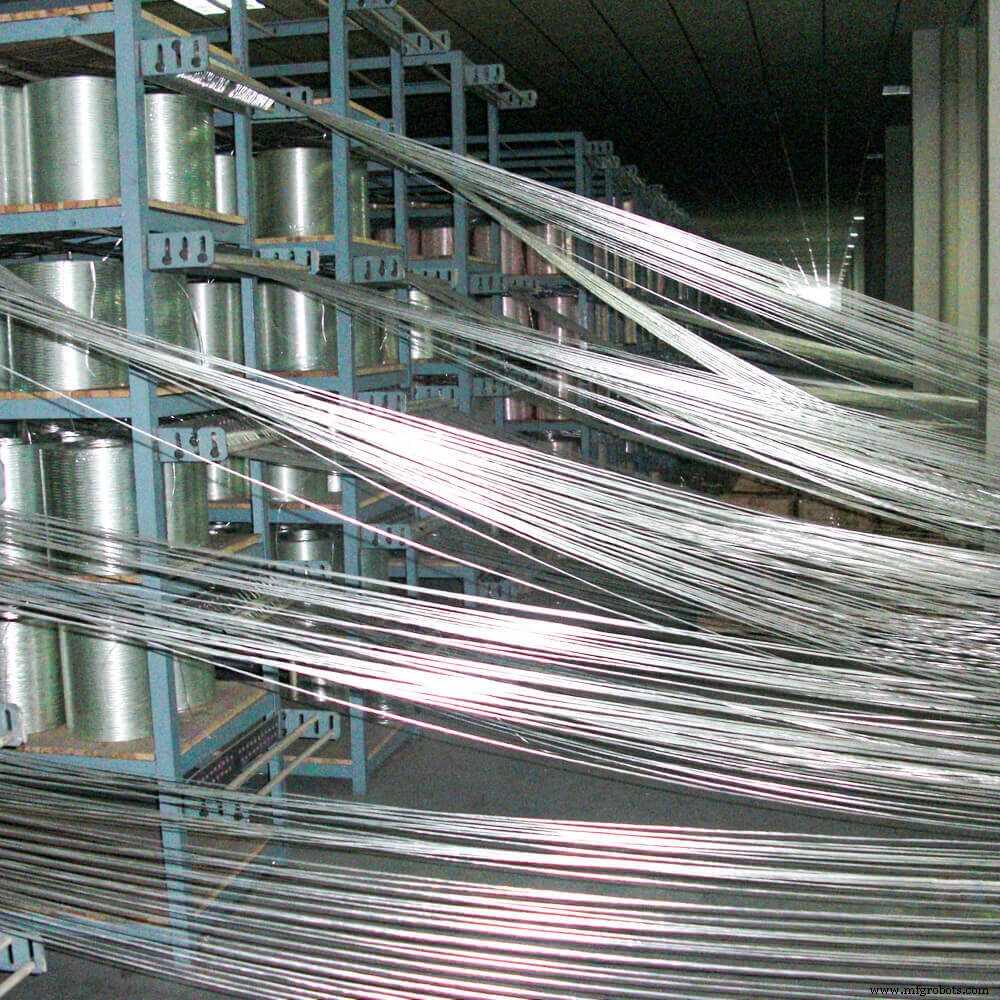
Physical Properties
Appearance and Form
Density
Material type
Density (g/cm³)
Glass fiber 2.4–2.7 Cotton 1.5–1.6 Silk 1.30–1.45 Chinlon 1.14 Carbon fiber 1.8 Aluminum 2.7 Steel 7.8 Electrical Properties
Thermal Properties
Mechanical Properties
Material type
Breaking strength (N)
Elongation (%)
Glass fiber 1370–1470 2–3 Cotton 255–686 7–10 Silk 392–520 1.3–31 Chinlon 44–588 26–32 Carbon fiber 2790–3100 1.5–1.6 Aluminum 127–177 4–8 Steel 363–441 20–30
Chemical Properties
Other Attributes
fiber
- Carbon Fiber Prosthetics: How High‑Performance Materials Transform Limb Replacement
- Key Performance Characteristics of Glass Fiber Yarn: Strength, Stability, and Thermal Resistance
- Finding the Right Price for Epoxy Fiberglass Cloth: Quality, Cost, and Expert Guidance
- Classification and Application of Glass Fibers: Types, Properties, and Uses
- Fiberglass Fabric: Innovations, Applications, and Sustainable Impact
- Key Properties and Applications of Glass Fiber
- Expert Classification of Fiberglass Fabric for Advanced Applications
- Carbon Fiber vs. Fiberglass: A Technical Comparison for Engineers
- Holiday Gift Ideas: The Best Carbon Fiber Gadgets
- Ahlstrom-Munksjö Completes Sale of Glass Fiber Reinforcement Unit to Vitrulan Group