



Key Parameters of Fiberglass Yarn: Density, Twist, and More – Expert Guide
Fiberglass yarn, formed by twisting continuous glass fiber filaments, is the core raw material for a wide range of composite products. Its performance is governed by several critical parameters, each of which influences mechanical properties, processing behavior, and end‑use suitability. Below is a concise yet authoritative overview of the most important specifications used by engineers and manufacturers worldwide. By mastering these parameters, manufacturers can tailor fiberglass yarns to specific mechanical requirements, processing constraints, and cost targets, ensuring superior performance in everything from aerospace composites to civil engineering reinforcements.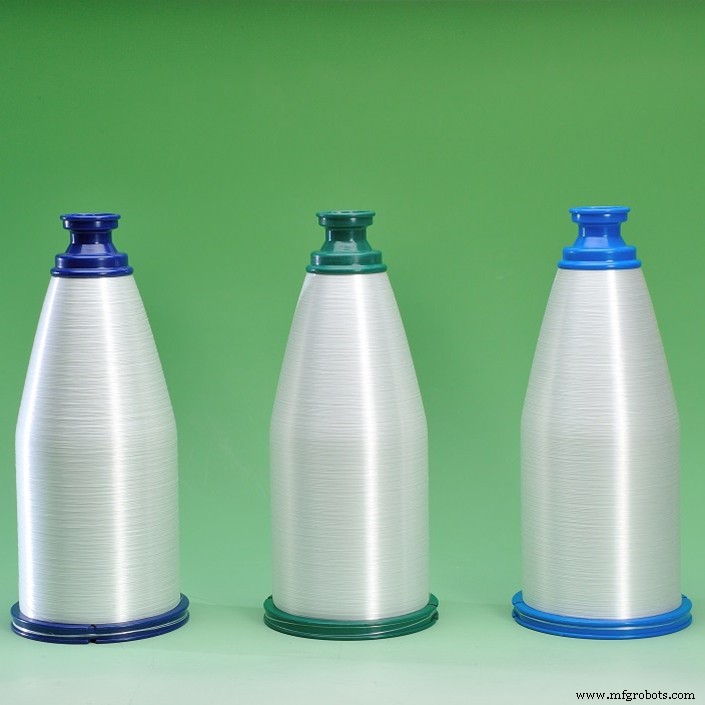
The linear density of a yarn is the mass per unit length and directly reflects its thickness. Two systems are in common use:
In some regions, the Denier (D) metric is used, defined as 1 D = 1 g / 9000 m. Conversion: Tex = Denier / 9.
Twist describes the number of turns per unit length and is usually expressed in turns per 10 cm, 1 m, or 1 in. The direction of twist is noted as S (counter‑clockwise) or Z (clockwise). Twisting enhances fiber cohesion and tensile strength, making twisted yarns ideal for textile applications such as electronic fabrics. In contrast, most fiber‑reinforced polymer (FRP) systems use untwisted yarns to facilitate resin impregnation.
• Spun yarn – monofilament diameter ≤ 10 µm, typically used for electronic or industrial textiles.
• Roving – monofilament diameter > 10 µm, common in structural composites.
Finer diameters improve tensile strength but increase manufacturing complexity and cost.
• Direct yarn (direct roving) – bundles of parallel, untwisted filaments pulled directly from the slab. Products include pultruded and winding yarns. Direct yarns have minimal hairiness and lower production cost.
• Piled yarn – formed by twisting two or more single yarns. This technique consolidates low‑Tex fibers into a higher‑Tex product, yielding yarns such as spray and SMC yarns.
fiber
- Why Carbon Fiber Is Transforming Aerospace: Strength, Weight, and Performance Benefits
- Fiberglass vs. Carbon Fiber: Key Differences and How to Choose the Right Composite
- Top 5 Carbon Fiber Applications Revolutionizing Modern Sports
- Carbon Fiber Prosthetics: How High‑Performance Materials Transform Limb Replacement
- Key Performance Characteristics of Glass Fiber Yarn: Strength, Stability, and Thermal Resistance
- Finding the Right Price for Epoxy Fiberglass Cloth: Quality, Cost, and Expert Guidance
- Fiberglass Fabric: Innovations, Applications, and Sustainable Impact
- Glass Fiber Performance: Physical, Mechanical & Chemical Properties Explained
- Fiberglass vs. Carbon Fiber: Choosing the Right Reinforcement for 3D Printing
- Holiday Gift Ideas: The Best Carbon Fiber Gadgets