



Carbon Fiber vs. Fiberglass: A Technical Comparison for Engineers
CARBON FIBER VS. GLASS FIBER
What Is Carbon Fiber?
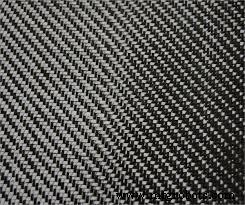
Carbon fiber is a composite made from extremely thin strands of carbon atoms bonded into long chains. When twisted together, these strands form yarns, which can be woven into fabrics and subsequently molded into virtually any shape by applying heat and pressure with a polymer matrix. This process results in a material that is approximately five times stronger than steel, twice as stiff, yet weighs about two‑thirds less. The resulting lightweight, high‑strength material has gradually displaced metal in many aerospace, automotive, and sporting‑goods applications.
Typical Applications
- Baseball bats and golf clubs
- Aircraft skin panels
- Concrete reinforcement
- Automotive body panels
- High‑performance sporting equipment
What Is Fiberglass?
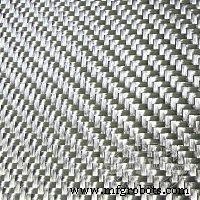
Fiberglass consists of melted glass extruded through fine nozzles to form strands that are woven into yarn and then cloth. Like carbon fiber, the cloth can be molded and bonded into complex shapes, but the process requires less heat and pressure. Fiberglass offers comparable strength and weight to carbon fiber while providing greater flexibility, which helps it absorb impact without breaking.
Typical Applications
- Vehicle and aircraft panels
- Boats and marine hulls
- Piping and storage tanks
- Construction (insulation, walls)
- Protective helmets and sporting gear
Comparative Analysis
Strength & Modulus
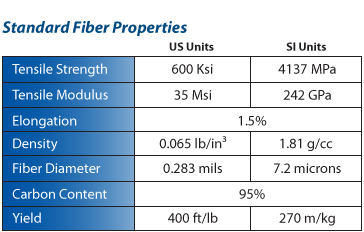
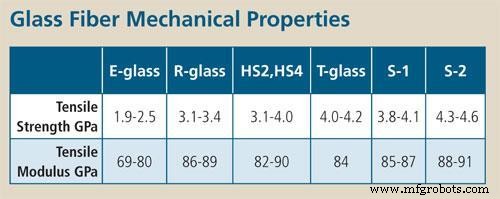
Carbon fiber typically exhibits higher tensile strength and modulus, making it ideal for applications where stiffness is paramount. Fiberglass, while slightly lower in tensile strength, has a lower modulus, which translates into better flexibility and impact resistance. The exact performance depends on the fiber volume fraction and the resin system used.
Price & Market Outlook
Historically, carbon fiber emerged from aerospace research and has since permeated sporting goods, civil engineering, and the automotive sector. Its production costs remain higher, which limits widespread adoption in cost‑sensitive markets. Fiberglass, conversely, has a lower price point and continues to expand across diverse industries, maintaining a strong market presence despite the rising popularity of carbon fiber.
| Material | Price per lb (USD) |
|---|---|
| Carbon Fiber | 5.04 |
| Fiberglass | 0.50 |
Conclusion
Both carbon fiber and fiberglass bring distinct advantages. Carbon fiber’s superior strength‑to‑weight ratio makes it the material of choice for high‑performance aerospace and sporting applications where weight is critical. Fiberglass offers excellent flexibility, lower cost, and proven durability for large‑scale industrial use. Selecting the right material ultimately depends on the specific performance criteria, budget constraints, and application context.
Source: https://infogr.am/carbon-fiber-vs-fiberglass
fiber
- Carbon Fiber Rings: Advantages, Disadvantages, and Why They’re a Smart Choice for Modern Jewelry
- Asbestos vs. Glass Fiber: Health Risks and Safety Differences
- Asbestos vs. Fiberglass: Key Differences, Uses, and Safety Considerations
- FRP vs Fiberglass: Understanding the Key Differences and Industrial Benefits
- Kevlar vs. Carbon Fiber: Key Differences & Material Performance
- Python 2 vs Python 3: Key Differences and Choosing the Right Version
- Carbon Steel vs Stainless Steel: Key Differences Every Fabricator Should Know
- Industry 4.0 vs Industry 5.0: What’s Changing and Why It Matters
- Understanding DC vs AC Motors: Key Differences and Buying Guide
- Low‑Carbon vs. High‑Carbon Steel: Key Differences Explained