



Asbestos vs. Fiberglass: Key Differences, Uses, and Safety Considerations
Both asbestos and fiberglass consist of microscopic fibers, yet their origins, properties, and health implications differ markedly. Understanding these distinctions is crucial for builders, manufacturers, and health professionals alike.
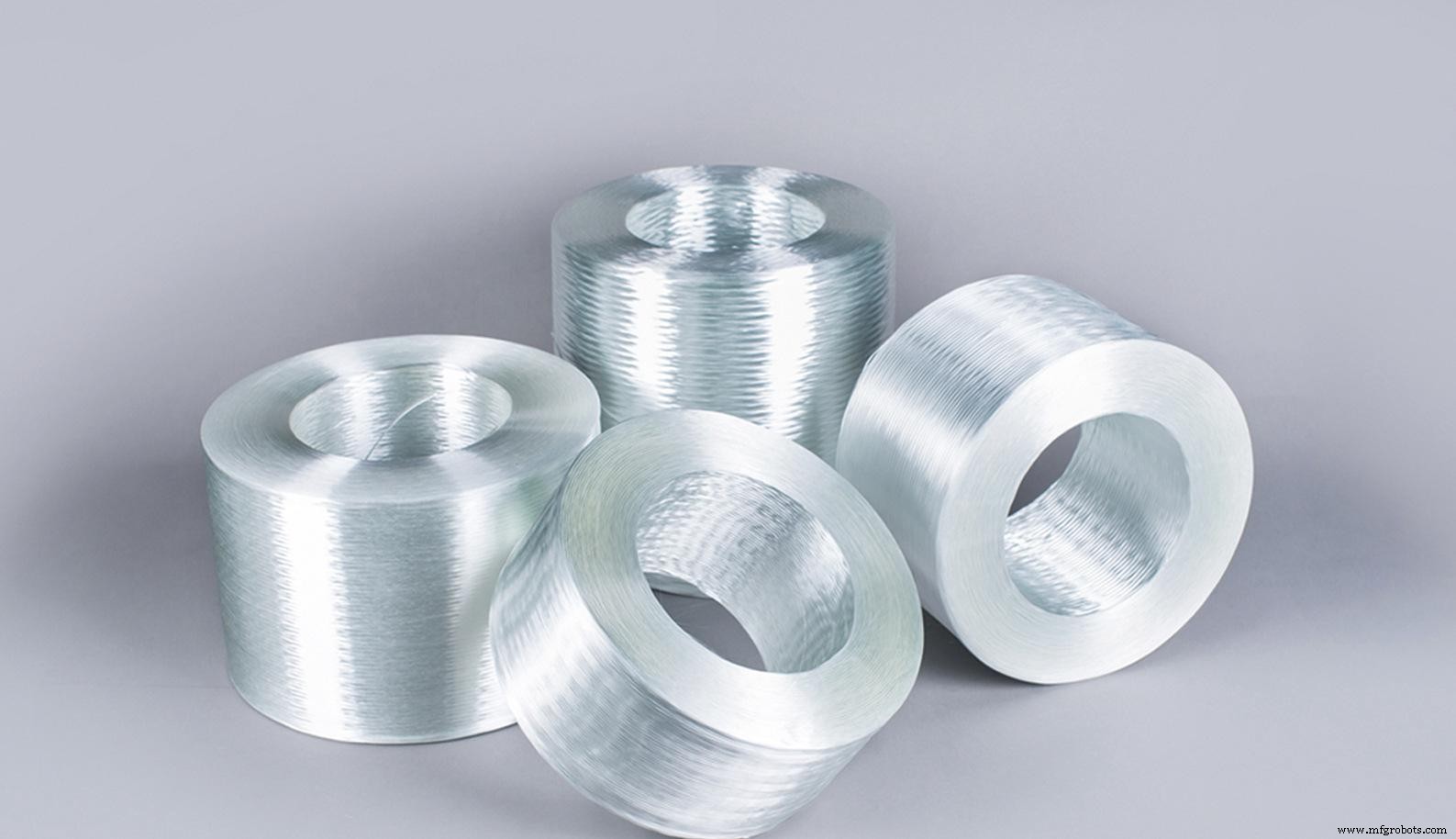
Fiberglass—an engineered glass material introduced commercially in the 1930s—offers superior tensile strength and thermal stability while posing minimal health risks when installed correctly. In contrast, asbestos, a naturally occurring silicate mineral, has historically been prized for its fire resistance and durability but is now largely banned in many countries due to its carcinogenic potential.
What is Asbestos?
Asbestos refers to a group of naturally occurring fibrous silicate minerals. Its unique combination of tensile strength, heat resistance, and chemical durability made it a staple in building materials such as fireproof boards, insulation, and roofing. However, inhalation of asbestos fibers can cause serious lung diseases, including mesothelioma and asbestosis.
What is Fiberglass?
Fiberglass, or glass fiber, is a synthetic, inorganic material produced by drawing molten glass into fine strands. Fiber diameters range from a few micrometers to over 20 µm, roughly 1/20–1/5 the thickness of human hair. Bundles of these monofilaments reinforce composites, insulate electrical circuits, and provide thermal protection across industries from aerospace to construction.
1. Material Composition
• Fiberglass: Man‑made, inorganic, non‑metallic glass. • Asbestos: Naturally occurring, fibrous silicate mineral.
2. Chemical Resistance
• Asbestos: Resistant to acids, alkalis, and heat. Serpentine asbestos, for example, tolerates alkaline environments but is vulnerable to strong acids; even weak organic acids can precipitate magnesium oxide and diminish fiber strength. • Fiberglass: Generally withstands concentrated alkalis, hydrofluoric acid, and phosphoric acid; strong acids can erode the glass matrix.
3. Tensile Strength
• Asbestos: Axial tensile strength can reach up to 3.74 × 10⁴ kg/m². However, repeated bending (wrinkling) significantly reduces its strength. • Fiberglass: Standard tensile strength ranges from 6.3 to 6.9 g/d, dropping to 5.4–5.8 g/d when wet. With a density of 2.54 g/cm³, it retains strength even at 300 °C.
fiber
- Asbestos vs. Glass Fiber: Health Risks and Safety Differences
- Carbon Fiber vs. Fiberglass: A Technical Comparison for Engineers
- Fiberglass Cloth vs. Mat: Understanding Construction, Uses, and Safety
- FRP vs Fiberglass: Understanding the Key Differences and Industrial Benefits
- Molded vs. Pultruded Fiberglass Grating: Which Is Right for Your Project
- Structures vs. Unions in C: A Practical Guide
- C vs. C++: Key Differences & When to Choose Each
- C vs Java: A Comprehensive Comparison of Features, History, and Applications
- Python vs JavaScript: Key Differences, Features, and When to Choose Each
- Python vs Ruby: A Comprehensive Comparison of Features, Advantages, and Use Cases