



Key Properties and Applications of Glass Fiber
Glass fiber has long been prized for its exceptional physical properties, dating back to its early use in glass production. Commercial manufacturing of glass fiber filaments began in 1930, expanding its application in composite materials due to its outstanding characteristics. To meet diverse industrial demands, manufacturers tailor glass fiber types: S‑glass for high‑strength applications, E‑glass for electronic‑grade uses, and C‑glass for chemical resistance. Typical mechanical and physical attributes include: Due to these attributes and its cost‑effectiveness, glass fiber has become the most widely adopted reinforcing material worldwide. Globally, composites based on glass fiber are replacing traditional materials such as metals and wood. Glass wool production involves melting raw materials in a furnace at approximately 1,300 °C. The molten glass is then extruded through a spinneret to form fibers with diameters in the micrometer range (~10⁻⁶ m). The fibers are coated, wound into a continuous “silk‑cake”, and processed into bobbins by a twisting machine—forming the base for glass‑fiber fabrics. E‑glass yarns are specifically used for electronic‑grade fabrics.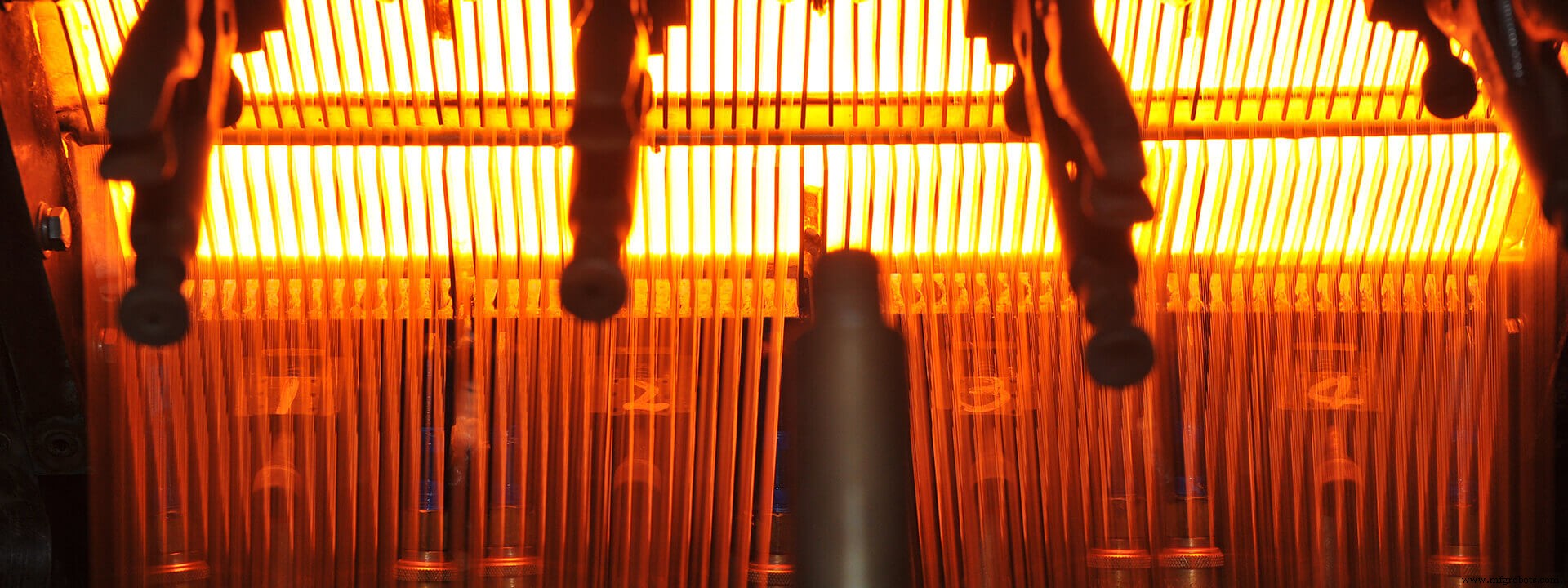
fiber
- Key Performance Characteristics of Glass Fiber Yarn: Strength, Stability, and Thermal Resistance
- E‑Glass & C‑Glass Fiberglass Cloth: Types, Weaves, and High‑Performance PTFE Coated Applications
- Eliminate Hairiness on Glass Fiber Cloth: Proven Techniques & Equipment
- High‑Temperature Glass Fiber Cloth Tape: Superior Heat‑Resistant Protection for Electronics and Automotive Applications
- Classification and Application of Glass Fibers: Types, Properties, and Uses
- Expert Classification of Fiberglass Fabric for Advanced Applications
- Broad Applications of Glass Fiber Fabric in Advanced Composite Materials
- Glass Fiber Performance: Physical, Mechanical & Chemical Properties Explained
- 10 Key Applications of Glass Fiber Products Across Industries
- E9 Ultra-High-Modulus Glass Fiber Powers Advanced Composite Applications