



Top 10 Workplace Safety Practices to Reduce Injuries
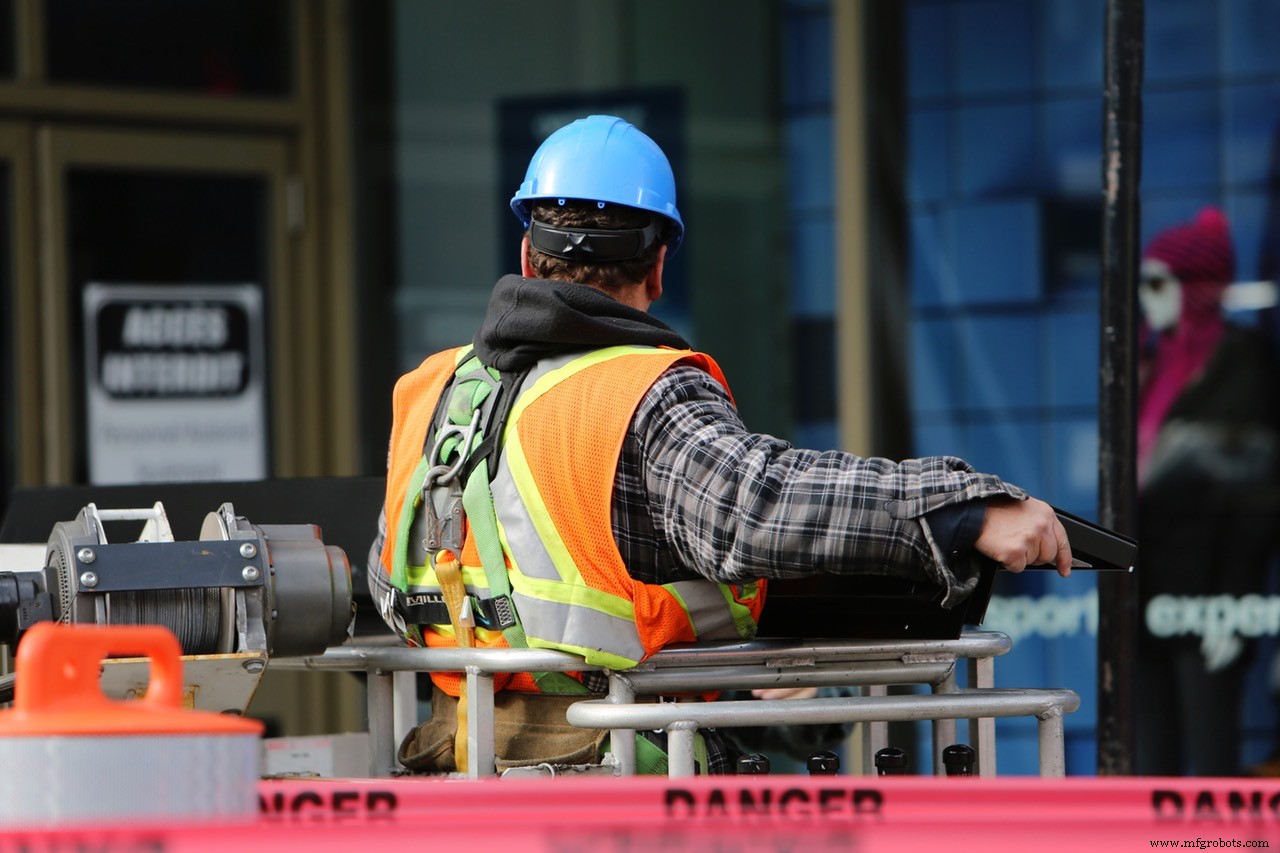
Because most of our fiberglass grating products serve industrial settings, we are committed to promoting proactive safety practices.
The U.S. Department of Labor reported 2.9 million workplace injuries last year—an alarming figure that can be substantially lowered through heightened awareness and robust safety protocols.
Adopting these ten essential practices across all workplaces can significantly reduce injury rates.
Know Your Environment
Assessing your work environment means identifying hazards and evaluating risks. It also involves devising strategies to mitigate those risks. For instance, in areas with slick floors, installing fiberglass grating creates a textured surface that reduces slip‑and‑fall incidents. Always adhere to machinery safety procedures as well.
Watch Your Back
Good posture—whether you’re at a desk or on the factory floor—is crucial for preventing back injuries. Lift with your legs, not your back, and avoid stooping. In warehouses or other heavy‑lifting contexts, a properly fitted back brace is essential.
Take A Break – It’s The Law
Fatigue diminishes alertness and increases the likelihood of accidents. Make sure you take your scheduled breaks—regulatory mandates exist for a reason, and compliance can save lives.
Reduce Fall Hazards
Oil spills or other slick spots are common in plants, creating fall hazards. Covering these areas with fiberglass grating improves traction and is easy to clean. The same product works on scaffolds and other elevated work zones.
Keep Emergency Routes Clear
During an emergency, clearly marked exits and unobstructed routes are vital. Inspect these pathways regularly to ensure they function correctly. Also keep emergency shut‑offs for machinery within easy reach.
If You See Something Say Something
‘If you see something, say something’—a principle from Homeland Security—applies to the workplace too. Report any slip‑risk or other hazard to your supervisor immediately. Management has a legal duty to address such issues.
Use Machinery Whenever Possible
Rather than manually lifting a 100‑lb pallet, use a pallet jack or forklift. Machinery exists to protect workers and boost efficiency; when used properly, it significantly reduces strain and injury risk.
Invest In Safety Products
Many accidents are preventable with the right safety gear—goggles, hard hats, and floor grating, for example. Conduct a risk‑assessment audit to uncover hidden hazards you might have missed.
Manage Stress In The Workplace
Job‑related stress can trigger mental health problems or conflict. Providing a dedicated break area or brief relaxation periods can alleviate tension and improve overall safety.
Wear Your Required Protective Gear
While wearing a reflective vest, helmet, safety glasses, and steel‑toed boots may feel burdensome, it’s a small price for protection against serious injuries.
Rely On DEFI
Our fiberglass grating is trusted nationwide—from oil rigs to large manufacturing plants—to keep workers safe in demanding environments. Contact a DEFI consultant for a personalized solution.
fiber
- 10 Expert Tips to Maximize Gearbox Performance and Longevity
- How Plastic Innovations Enhance Workplace Safety Across Industries
- CNC Machinist Safety: Essential Workplace Guidelines
- Top 6 Essential Warehouse Safety Practices
- Top 5 Forklift Maintenance Tips for Peak Performance and Longevity
- Top 9 Proven Safety Practices for Industrial Workplaces
- Top 3 Pallet Racking Safety Tips for Reliable Warehouse Operations
- 4 Essential Safety Tips for Workplace Welding & Metalworking
- Essential Trenching Safety: 6 Proven Tips for a Secure Job Site
- 11 Essential Tips to Boost Compressed Air Hose Safety & Protect Your Workplace